
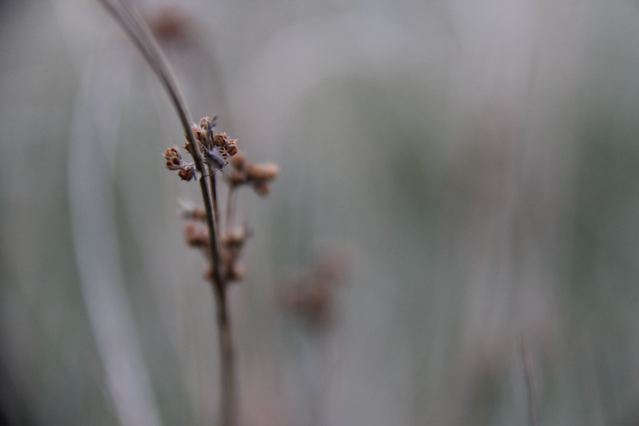
A Juncus seed head on one of the ridgelines.
With a landscape scarred with a history of erosion, and soil associations that the CSIRO SoilMapp discusses in the most nervous of tones, we’d been apprehensive about this season’s heavy rains. After two days of constant downpours, the water sat on the surface, filled every hollow and started to run in strange new flow patterns along the most unexpected of ridgelines. Neighbours told us they hadn’t seen rain like that for some years, and that erosion headcuts had been reawakened all through the surrounding valleys.
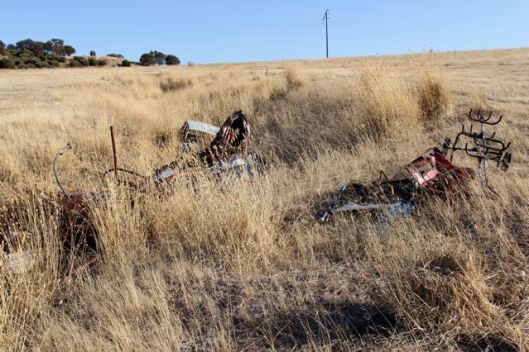

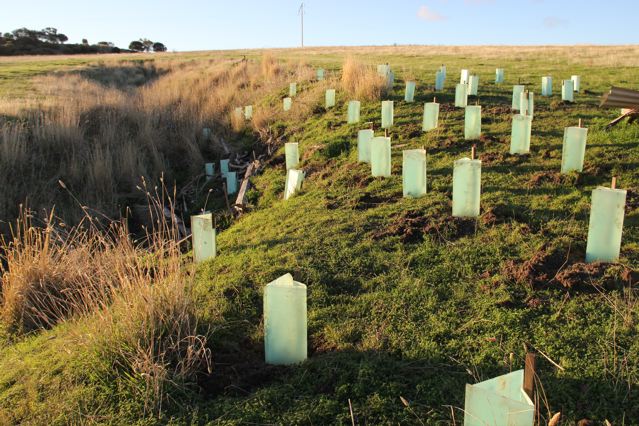
Zephyr Creek before and after: now with less car bodies and more trees!
It was a relief to see that our improvised erosion control strategies (use local materials; slow water flow with rock, fallen timber or mulch; always work on contour; get plants in the ground) had all worked to some degree. Indeed, areas where we had made an intervention, however minor, fared much better than areas without. After the dryness of summer it was unexpectedly thrilling to see water flow, vegetation spring up around the branches we stacked across drainage lines, and most of all, creek banks where we’d removed car bodies didn’t slump and be carried off into the neighbouring paddock.
Continue reading →







 Yarnauwi Farm
