Tags
farm, photography, seasons, southwestern Fleurieu, summer, water
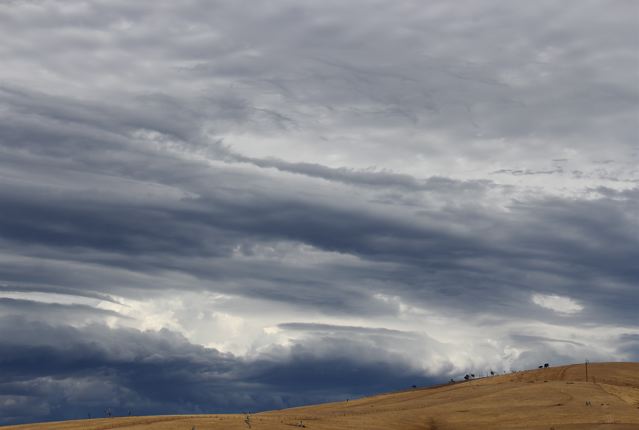 After a dry 2014, storm clouds gather, offering the chance of record summer rainfalls for parts of South Australia.
Continue reading

11 Sunday Jan 2015
Posted in ecology
Tags
farm, photography, seasons, southwestern Fleurieu, summer, water
After a dry 2014, storm clouds gather, offering the chance of record summer rainfalls for parts of South Australia.
Continue reading
08 Thursday Jan 2015
Posted in livestock
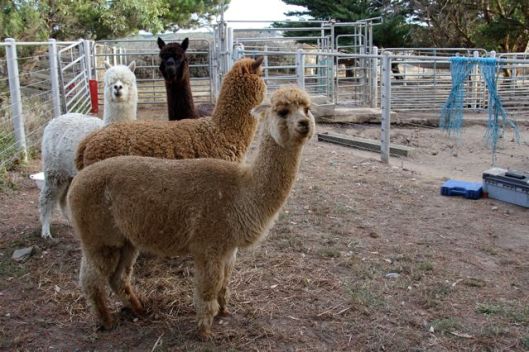
The before shot: full-coated alpacas from Yarnauwi and Whistling Pig mingle before their makeover.
Our alpacas Fidel and Ernesto have tolerated the heat for some weeks now, so there was general celebration when their shearing day arrived. Unfortunately, it also happened to be a searing, humid afternoon when we attempted to load them onto the trailer to transport them down the road to Delamere’s stunning Whistling Pig Farm where the shearers would meet us and clip our respective animals. In the past, we’ve thought of Fidel and Ernesto as compliant, if a little aloof, but that afternoon, with the sun beating down, they flatly refused to step aboard the trailer. We bribed, cajoled, pushed and persuaded in every way we could think of, but they just sat down in the grass, leaned against the trailer tailgate, and ignored us. Thankfully, the shearers were passing, and in a matter of seconds had them aboard on their way to Whistling Pig.

Ernesto takes a professional interest in Fidel’s trim.
05 Monday Jan 2015
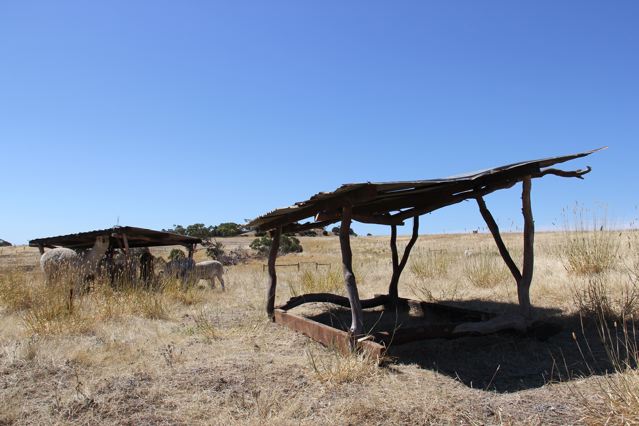
With recent temperatures climbing into the 40s (about 107 degrees Fahrenheit), and tree-induced shade still a few years away, we’ve constructed another moveable sheep shelter to ensure our sheep and alpacas have a cooler place to recline on the most hostile of days.
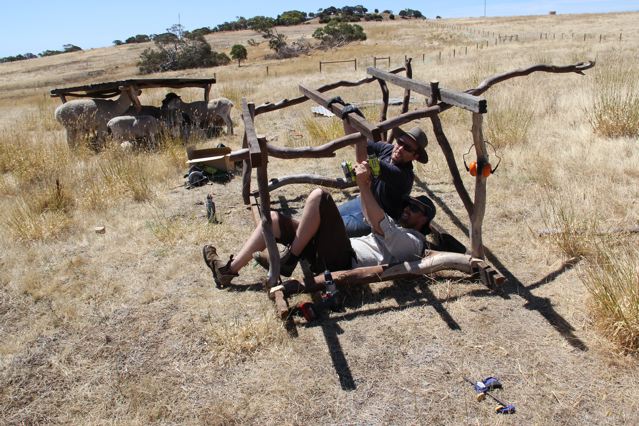
Employing the off-grid carpentry prowess of Jeremy and Pete, we knocked up the second shelter to the same rough plan as the original: salvaged hardwood for a sled base, allowing it to be dragged from pasture to pasture, fallen redgum for uprights, and tin reclaimed from the gullies for the roof. The previous life of the tin means that a hole is already cut for the installation of a pot-belly stove, should the sheep find one that fits their budget. This sheep shelter also includes a perch, should passing birds need a break while searching for a tree. Continue reading
18 Thursday Dec 2014
Posted in events, livestock, planning, regeneration
Tags
design, ecology, events, farm, fencing, food, hiking, livestock, permaculture, planning, propagation, revegetation, seasons, sheep, southwestern Fleurieu, summer, tractor, water, winter, zones
2014 was a year where the dry season came early and stayed late. It seemed as if the rain barely had a chance to soften the ground and throw up some soursobs before our clay soils began to crack again and the pasture browned off. Despite this, after two years observing the rhythms of this patch of ground, I feel like we’re becoming more resilient and optimistic: where previously we despaired at every lost seedling, now we celebrate every survivor.

Summer: a shingleback lizard soaks up some sunshine.
In the spirit of permaculture, this year also marks a transition from our observational period towards beginning to implement infrastructure for a sustainable farming enterprise. With fencing and water infrastructure for livestock, our appreciation of the need for water only deepens, and despite its challenges, we’ve learnt to stop worrying and love winter.
10 Wednesday Dec 2014
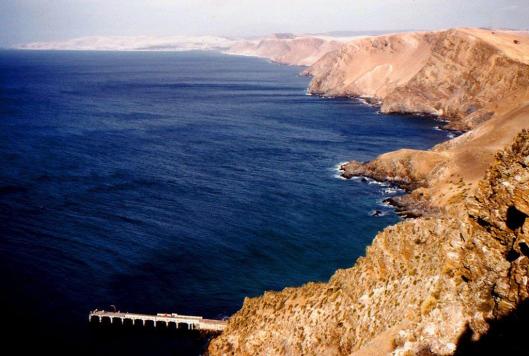
Second Valley jetty in the 1960s, looking north towards Normanville.
In this special guest post, Joel’s dad Jeff Catchlove shares some of his memories and photographs from camping trips to the South-Western Fleurieu in the 1950s and 60s.
Second Valley has always been close to my heart. I’ve just turned 70 and reminiscence is inevitable. Our childhood was unencumbered – most of us were poor, though we didn’t know it. There was no TV but we just as eagerly listened to Biggles, Hop Harrigan, the Goons and Hancock’s Halfhour on ‘the wireless’. We also played outdoors every day, both at school and at home. Children’s books were limited to Enid Blyton, Captain W E Johns and Eagle or Daily Mail Annuals. We dressed in suits to go to ‘town’ on the trolley bus or train and the family acquired its first car when we were ten or so years old. That revolutionised the possibilities of where we could go as a family. Our FJ Holden quickly ushered in trips to Mt Gambier, the Great Ocean Rd, even Queensland so my dad and we could visit his Air Force mates again.
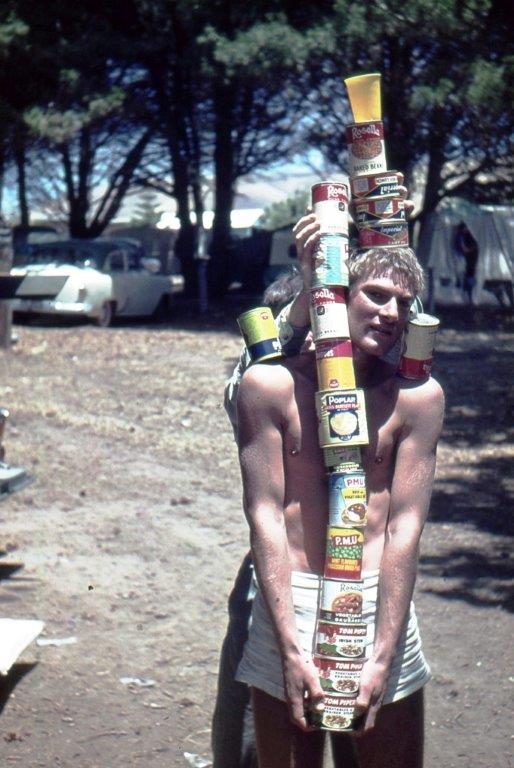
Camping at Second Valley in the 1960s, complete with a week’s worth of rations.
01 Monday Dec 2014
Posted in art & craft, ecology
Tags
art, farm, photography, seasons, southwestern Fleurieu, water
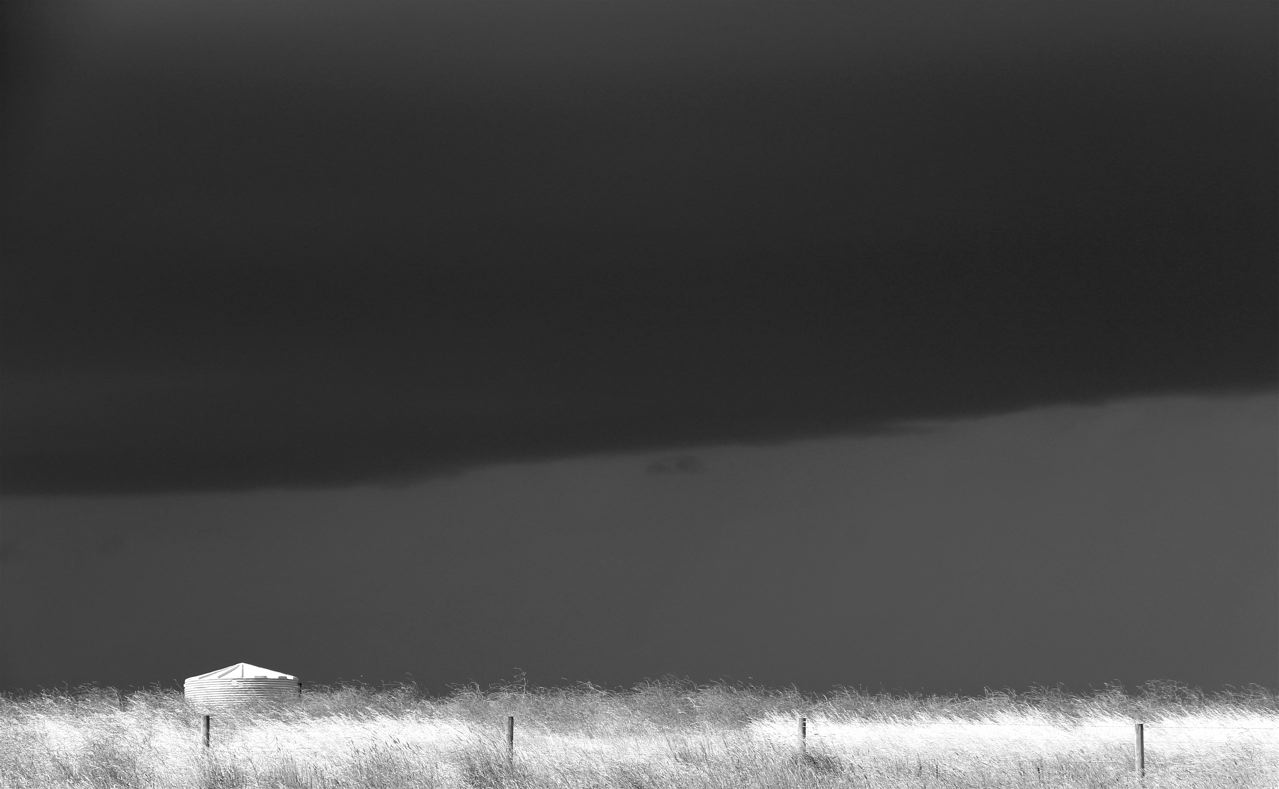
Another thunderstorm passes by.
23 Sunday Nov 2014
Posted in diy
 Every week or so we empty our stock troughs, sometimes for cleaning, sometimes to shift it into a new paddock or location to prevent the soil getting bared out. As dry springs like this one remind us, water is precious. The dam fills in winter, we pump up to the tanks, then try to gravity feed the stock troughs from spring until the rains come again. When it came to empty the troughs, we tried some judicious bucketing onto nearby seedlings, but that’s long and arduous when you have 450 litres to decant. Continue reading
19 Wednesday Nov 2014
Posted in livestock

With a view and accomodation like this, and alpacas patrolling the perimeter, who wouldn’t be a sheep? You even get to have horns!
16 Sunday Nov 2014
Posted in ecology, planning, regeneration, trees, waterways
Tags
before and after, ecology, erosion, farm, fencing, kangaroos, permaculture, planning, propagation, revegetation, seasons, southwestern Fleurieu, trees, waste, waterways
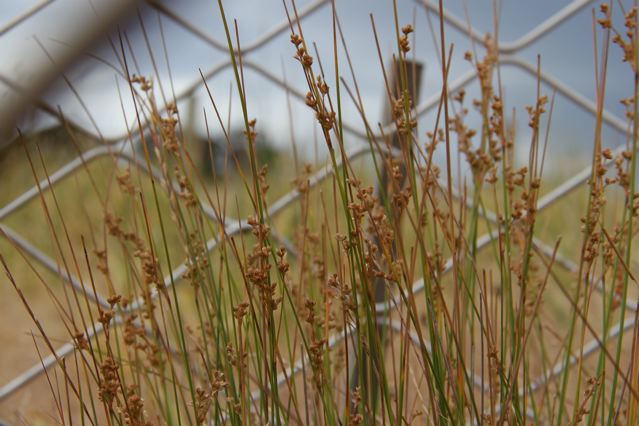
Some might consider Shark-mesh overkill for allowing rushes to regenerate.
In our first year of working on the farm, we really tried to practise the permaculture principle of long and thoughtful observation, but it always competed with our own impatience to see change. In that first flurry of clearing gullies and planting seedlings, I remember trawling the internet for before-and-after shots of other people’s reveg projects: something to help imagine a future for the block. Seasoned tree-planters told us we’d see real change in five years, the optimistic suggested three, others, fifteen.

Self-regenerating golden wattle (Acacia pycnantha) after two years, and protection from kangaroos. This wattle was one of four trees present on the entire property in 2012.
Now at the two year mark, we are noticing change. Removing cattle and fencing sensitive areas has allowed a fuzz of groundcover to begin growing over the barest of gullies. Fences have reoriented deer and kangaroo movement and grazing patterns. Some seedlings planted in the cold, soggy winter of 2013 appeared to die, but then surprised us by resprouting and growing at a cracking pace the following autumn. Other plants that were repeatedly pruned back to their tree-guard height by roos have invested their growing energy into roots and woody stems.
06 Thursday Nov 2014
Posted in livestock, planning, regeneration
Tags
design, farm, fencing, kangaroos, livestock, permaculture, planning, revegetation, sheep, southwestern Fleurieu, zones
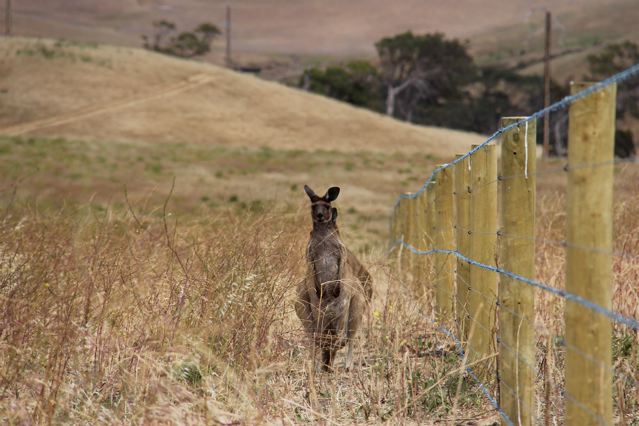
A new fence and a kangaroo. Neither are particularly concerned about each other.
A year or so ago, we celebrated the first phase of fencing on the farm: defining our ‘wilderness zones’ by carving out seven-ish hectares of erosion gully, remnant vegetation and waterlogging for regeneration. We commented at the time at how much a few posts and wire redefines a sense of space. Now we’ve almost completed all of the major fencing for the property. What began as essentially one vast, 20-odd hectare paddock, has now been reshaped into 8 smaller paddocks, together with 3 revegetation zones/habitat corridors. Continue reading
 Yarnauwi Farm