• About
  • Anacotilla: History & Hearsay
  • Junk: A Curated Collection
  • Resources
  • Species List
  • Yarnauwingga and beyond

Yarnauwi Farm

~ Fleurieu Peninsula, South Australia

Yarnauwi Farm

Tag Archives: southwestern Fleurieu

The time of plans and projects

23 Monday Nov 2015

Posted by Joel in ecology, livestock, planning, regeneration, trees

≈ 2 Comments

Tags

damara, ecology, farm, kangaroos, livestock, photography, planning, revegetation, seasons, sheep, southwestern Fleurieu, summer, trees, waterways

IMG_7113

Grain fields at Aldinga, and drying hills

It seems like summer comes sooner and sooner. Winter was short, and so dry that the dam never progressed beyond a puddle, then the sun was back, the grass grew for a moment then was baked dry again by an early heatwave. The northern faces of the hills turned a bleached gold, then quickly the green haze on the south sides followed. And we’re back, heading into the hot season again, settling into a holding pattern of heat and dormancy until the opening rains.

IMG_7058

North faces baked dry in the first heat

Tolstoy apparently called spring “the time of plans and projects”. Now a year into our sheep project, we’ve begun tweaking our grazing practices in an effort to manage our pasture more effectively. We’ve increased our flock size through both breeding and the acquisition of some hardy, desert-adapted damara sheep, brought in from a dusty paddock outside Nuriootpa to replace the ageing and increasingly delicate Wiltshire Horn matriarchs. The existing flock hasn’t exactly embraced the new arrivals, there’s plenty of bleating and foot-stomping. You could cut the tension with a knife when we pour out the sheep nuts. Among the damaras is Manchego, our new ram. Looking at Pecorino’s legacy, it’s clear he has big hooves to fill.

Continue reading →

Book review: Going ‘Feral’ with George Monbiot

05 Thursday Nov 2015

Posted by Joel in ecology, regeneration, reviews, trees, waterways

≈ Leave a comment

Tags

books, ecology, farm, history, livestock, revegetation, southwestern Fleurieu

17160008Our experience and vision for Yarnauwi has always sat in a tension between the wild and the cultivated. On one hand, we’re seeking to restore habitat long altered, while on the other, we’re determined to cultivate food, through both livestock and horticulture. It’s hard to say if one holds priority over the other, and, at risk of lurching into cliche, we try to ‘listen to the land’. Connor Stedman’s Essay on Soil in the 2015 Greenhorns’ New Farmer’s Almanac offers ideas that resonated with us, writing that to know how to be a steward of a landscape, “…it’s not enough to know the land as it is now. We need to dig below the recent surface and go deeper – find the older ecological and cultural stories of a place. It’s the wildlands that hold these stories, and it’s these lands that will return them to us if we know where to look and how to listen. An agrarian economy needs to tend, restore, and engage in a deep relationship with the wild as well as with the planted field” (2015, p. 35).

Stedman’s assertions provide a concise summary of our motivations for obsessing over the past ecological history of our particular patch, and theorising about the patterns that might’ve governed the landscape before colonisation. Fixated as we are on what was here before, there’s much to delight in in George Monbiot’s Feral: Rewilding the land, sea and human life (Penguin, 2013). In it, Monbiot confronts what he describes as ‘ecological boredom’ brought about by the absence of the wild, and asserts the need to ‘rewild’ our landscapes. His vision of rewilding is not one of meticulous restoration of past habitats, but rather letting landscapes return to their own ecological stability. Continue reading →

New linocut print: Fear the deer!

26 Monday Oct 2015

Posted by Joel in art & craft, diy, ecology, regeneration, trees

≈ 4 Comments

Tags

art, birds, design, ecology, farm, revegetation, southwestern Fleurieu, trees

IMG_7182

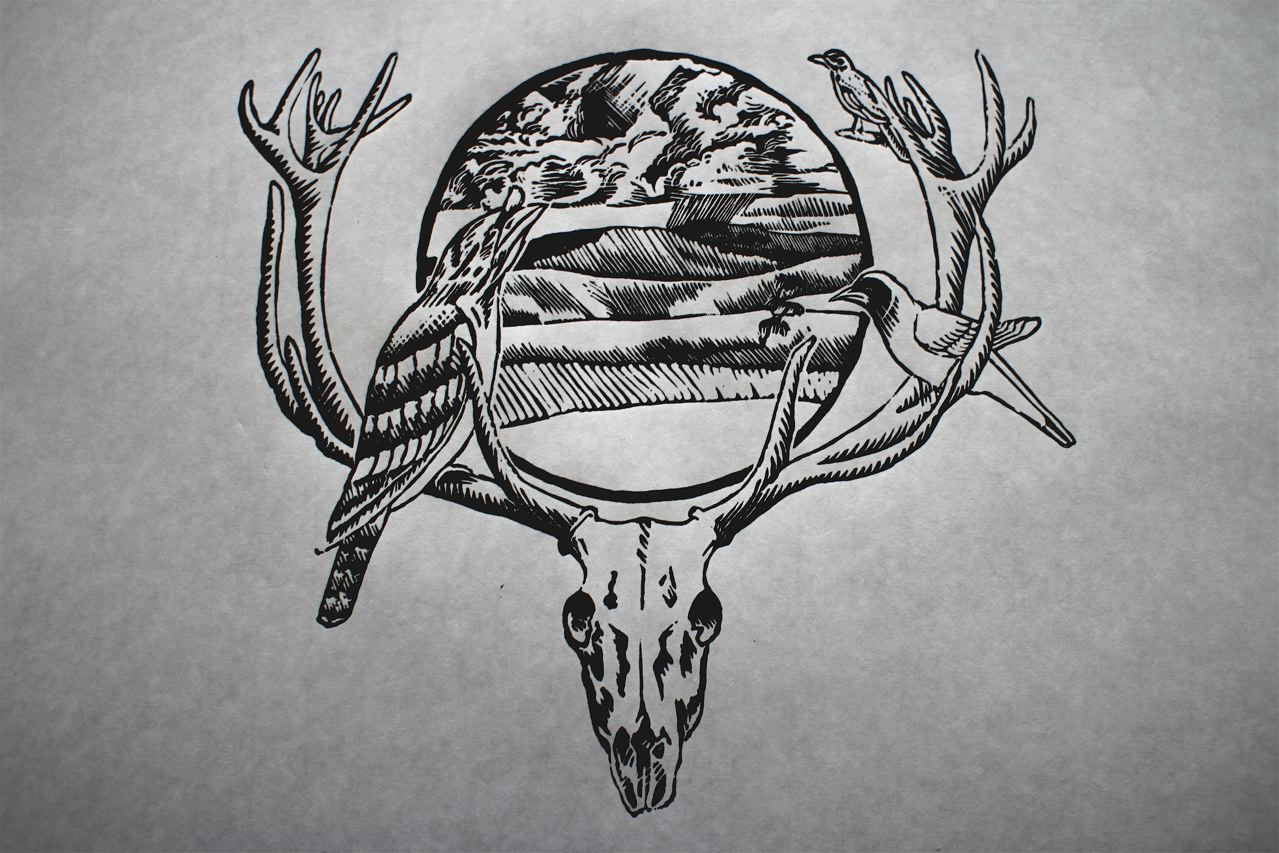
“Fear the deer, rue the roo, but keep on planting!”, linocut inspired by efforts to revegetate the southwestern Fleurieu Peninsula, South Australia, by Joel Catchlove

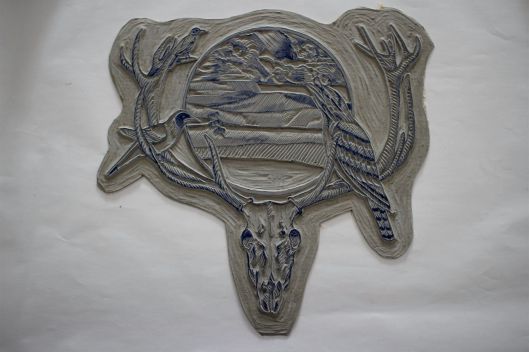
After months of chipping away at this latest linocut in spare moments sprinkled throughout family life, I’m pleased to announce it finished! “Fear the deer, etc.” was begun earlier this year in the lead-up to the 2015 tree planting season and depicts the view looking west from Yarnauwi, with a selection of local birds eagerly awaiting the maturation of our and our neighbours’ revegetation efforts! In the meantime, they perch in the antlers of a red deer skull, one of the many voracious herbivores in the neighbourhood that present challenges for raising seedlings.

IMG_7176

The carved block, ready for inking

The birds shown are, on the left, a tawny frogmouth, a family of which we’ve spotted 500 or so metres from our back boundary, but our property still lacks the habitat to tempt them closer, a black-faced cuckoo-shrike (aka. shufflewing, due to its habit of shuffling its wings upon landing), common in nearby woodland but still only a passing visitor to Yarnauwi, and the Australasian Pipit, an enthusiastic resident of the farm.

IMG_7179

Ready for inking.

Special thanks to Jess S, patron of the arts, for donating part of her stash of lino for the creation of this particular piece! Thanks again to our community of friends and neighbours who continue to contribute to the broader effort of restoring habitat on our property and beyond!

The drop: lambing season begins!

27 Sunday Sep 2015

Posted by Joel in livestock, planning

≈ 2 Comments

Tags

alpacas, farm, lamb, livestock, seasons, sheep, southwestern Fleurieu, spring

IMG_6982

A young ram lamb takes shelter with its mother.

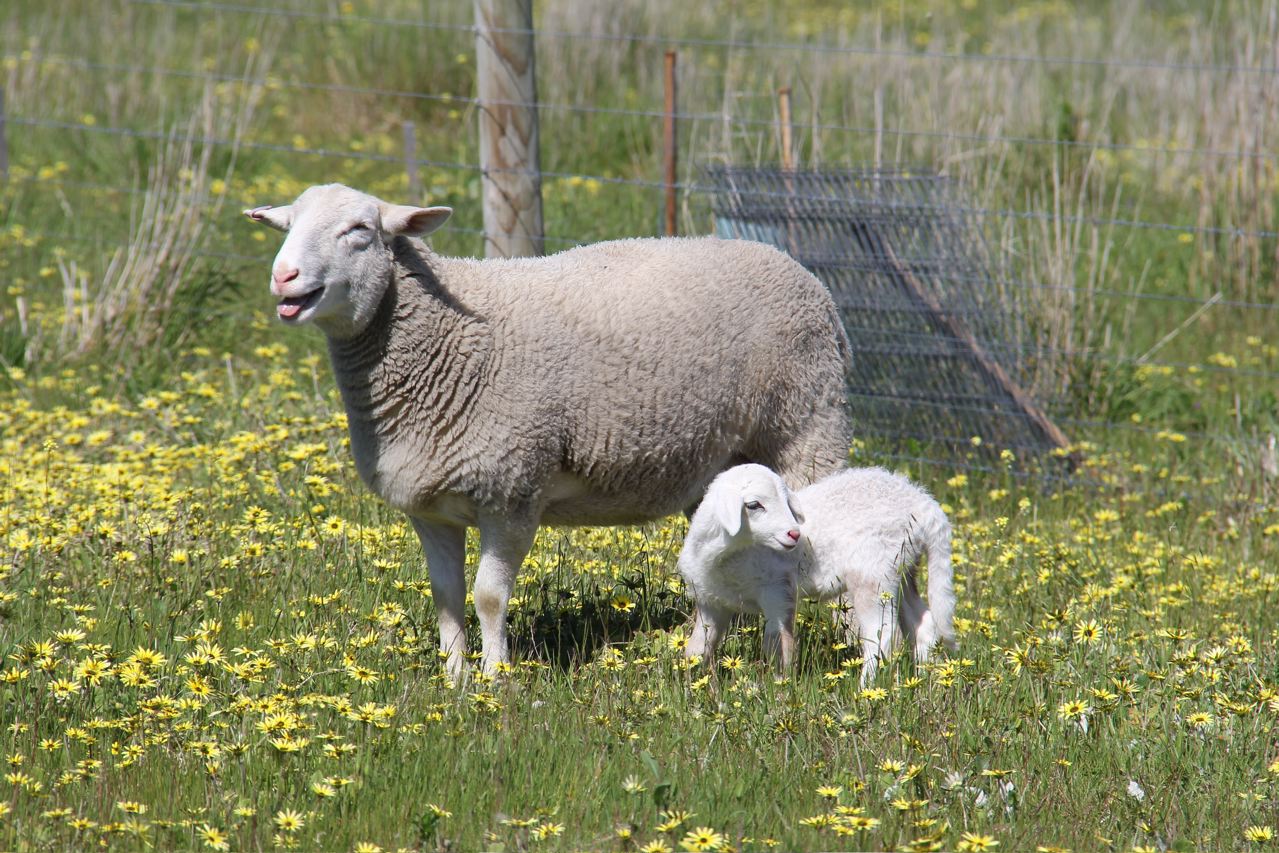
After weeks of expecting a lamb at any moment, the season has begun with five dropping at once! Fathered by the late, great Damara x Dorper ram Pecorino (sheepish in all but his appetites, he came to an untimely end after over-doing it on lupins), these little crossbreeds have a distinct Damara bearing and appearance, with their floppy ears and dappled coats. While the alpacas typically have an adolescent aloofness, now that there are lambs about they’ve switched into vigilant mode, keeping a close eye on their young charges and leading the flock to water and fresh pasture.

IMG_6974

After starting the flock with Wiltshire Horns, we found that this breed didn’t exactly relish our pre-treed (ie. open, windswept and exposed) environs, so we’ve started breeding the flock towards hardier, less selective grazers like the Dorper and Damara that also offer a yield in meat and hides. So with last year’s lambs being Wiltshire Horn x Dorper, these are all of the above, but mostly Dorper. As with virtually every aspect of this farming project, it’s an experiment!

IMG_6970

Continue reading →

Seeing the forest for the trees: piecing together past ecology

21 Monday Sep 2015

Posted by Joel in ecology, planning, regeneration, trees

≈ 6 Comments

Tags

ecology, farm, planning, revegetation, seasons, soil, southwestern Fleurieu, trees

IMG_6958

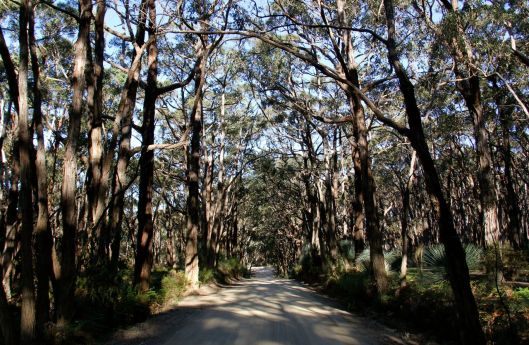
Tall stringybark forest, Deep Creek Conservation Park, southwestern Fleurieu Peninsula.

It’s a preoccupation of ours to develop our understanding of the historic ecology of the farm. We’ve pored over books such as Mangroves to Mallee (Berkinshaw 2009), and The Native Forest and Woodland Vegetation of South Australia (Boomsma & Lewis), but their listings of different plant associations were often bewildering as we tried to nut out which was the best fit for our patch of ground. We had some information about climate, and a basic knowledge of soils, but only limited local remnant vegetation to refer to for an idea of what might’ve been here before colonisation. Our property has a couple of old red gums, but little sense of what the landscape might have looked like two hundred years ago. Early advice we received suggested that our landscape was once “pink gum woodland”, yet most of the initial pink gums we planted died. Having a sense of how our landscape was in the past not only assists our success in habitat regeneration, but also offers insight into how our landscape works in general.

We’ve looked at historical photographs, and they seemed to confirm our sense that there were once more trees than there are now, but by the late 1800s they already depict a deforested landscape. Through early colonial accounts we’ve also pieced together a rough picture of what the landscape may have been like, with a particular focus on how water may have been managed in the vegetation and soil. We’ve even brainstormed a sequence of events for how the landscape may have changed between colonisation and now, but what we lacked was local ecological detail. It was time to go back to the library, this time to trawl through past ecological studies of the region. With many written in the early 20th century, the papers we found articulate connections between soils, rainfall and then-living memory of plant communities throughout the Mount Lofty Ranges.

SpechtVegetationMap

Vegetation Map of the Mount Lofty Ranges and Murraylands, from Specht 1972

Continue reading →

The “wild zone” blooms…

14 Monday Sep 2015

Posted by Joel in ecology, regeneration, trees

≈ 1 Comment

Tags

ecology, farm, kangaroos, revegetation, seasons, southwestern Fleurieu, trees

ParadoxaBlossonWe recently celebrated the appearance of our first blossoms on the wattles planted in our revegetation area. At almost three years old, this Acacia paradoxa has offered a few tentative blooms and while it’s a modest showing, we’re absurdly excited about it. It marks a shift in our ‘wilderness’ zones, from plants that we’ve cultivated and maintained towards plants that have survived through dry years and the appetites of kangaroos, to become plants that are beginning to thrive and reproduce independently.
The ground beneath your feet: resources for exploring soil

13 Sunday Sep 2015

Posted by Joel in ecology, regeneration, tools

≈ 1 Comment

Tags

design, ecology, erosion, farm, fencing, permaculture, planning, soil, southwestern Fleurieu, water

2Env_Res4Soils

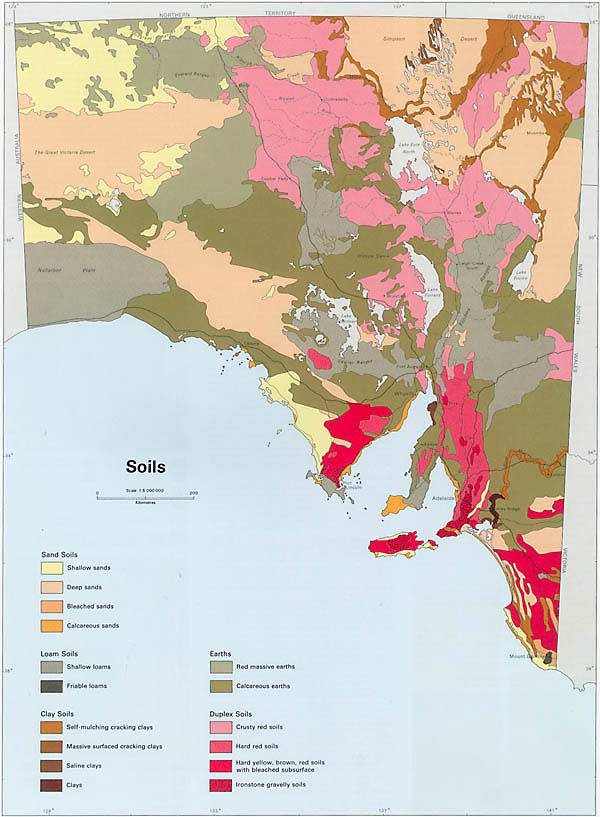
Soils of South Australia, divided into 16 subgroups, from the 1986 Atlas of South Australia.

Recently we’ve been thinking a lot about soil. After all, it is the International Year of Soils, and really, without dirt, there’s not much else. Understanding how our soils work and how to restore them is an essential part of our regeneration project and their structure and composition help define the boundaries of what’s possible on our patch of ground. As Adamson and Osborn asserted in their pioneering 1924 study of the ecology of the eucalypt forests of the Mount Lofty Ranges, climate and soils are the primary factors in determining ecological variation in the region, so even where the scrub has long been cleared, soils can also offer a memory of past ecosystems.

However, it’s taken us a while to unravel meaningful information about soils. There’s a whole new vocabulary, and when you don’t yet know your Kandosols from your Kurosols the whole experience can be a bit mystifying. To make things even more complex, there are oodles of different technical terms for describing any particular soil type, depending on era or classification systems. So we thought we’d share some resources that we’ve come across that may be of use in working out what you’re sitting on. Continue reading →

Planting for the future: exploring tree time

30 Sunday Aug 2015

Posted by Joel in ecology, propagation, regeneration, trees

≈ 4 Comments

Tags

ecology, farm, nursery, permaculture, propagation, seasons, seeds, soil, southwestern Fleurieu, trees, winter

IMG_6643

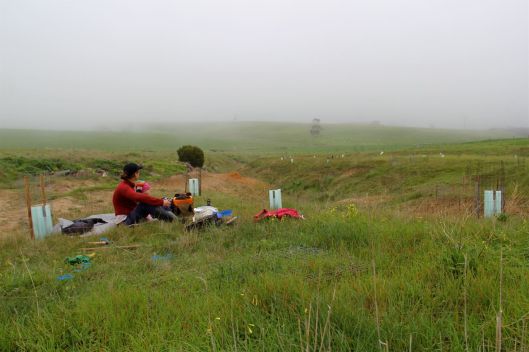
Present-day badlands, future cloud forest (?!): Sophie and Annika take a break from planting.

After three months, our tree planting activities are finally finished for 2015. The pattern is always the same. Sophie does her best to moderate my impulses, but when the opening rains come I always seem to get a rush of chlorophyll to the head and end up with boxes of seedlings more than we could ever reasonably plant. That said, with the support of our community of family and friends, this year we planted 1000-odd trees, shrubs and ground covers, 300 grasses propagated from seed collected on the property, and still had a few boxes to give to neighbours.

IMG_6513

Asher inspects a red gum seedling only a few months younger than him.

Continue reading →

The plastic-free wrap-up: reflecting on reducing waste

02 Sunday Aug 2015

Posted by Joel in ecology, waterways

≈ 2 Comments

Tags

ecology, farm, food, Plastic-free July, recipes, recycling, reuse, southwestern Fleurieu, waste, waterways

IMG_6590

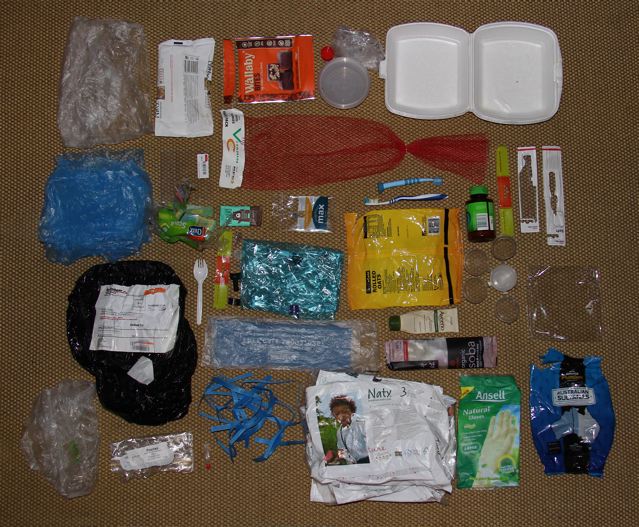
The contents of the Plastic-free July dilemma bag: 494 grams of plastic waste.

A month ago we embarked on our attempt to avoid single-use plastics for the month of July. We were inspired to experiment with this waste-reduction challenge by our concern both about the plastics in our home and farm (the legacy of which we’re still hauling from our gullies), as well as the presence of plastics of all descriptions in the rockpools and high-tide marks of the nearby coast.

Collecting our ‘unavoidable’ plastic waste in a ‘dilemma’ bag, at the end of the month, our household total was 494 grams, down 288 grams from the previous month, although a significant portion of this month’s waste were leftovers from previous purchases or packaging from gifts from others! As the photo above shows, the volume of plastic waste was noticeably less. Continue reading →

Plastic-Free July: Making a feed-bag picnic rug

20 Monday Jul 2015

Posted by Joel in art & craft, diy, livestock

≈ 5 Comments

Tags

art, craft, farm, livestock, picnics, Plastic-free July, recycling, reuse, southwestern Fleurieu, waste

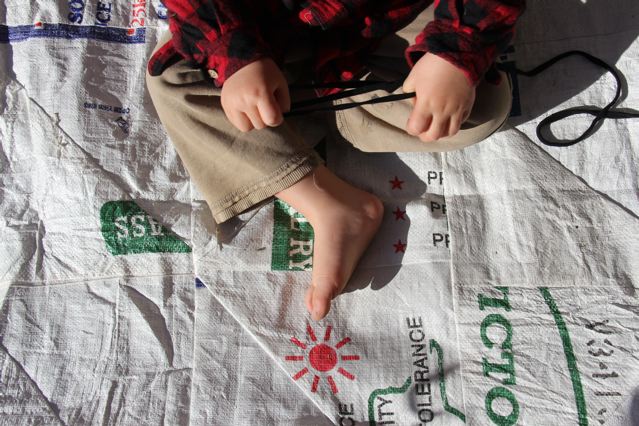
IMG_6556

Over the last couple of years we’ve assembled an impressive collection of woven polypropylene sacks. Typically used as bags for stock feed or pasture seed, in the spirit of Plastic-Free July, I thought it was time to put these single-use plastics to use and upcycle them into a patchwork, water-proof picnic blanket.

Continue reading →

← Older posts
Newer posts →

Yarnauwi on Etsy

Enter your email address to follow this blog and receive notifications of new posts by email.

Join 223 other subscribers

What We’re Writing About

alpacas annual report art art and craft bees before and after birds books building cheese climate change craft damara design downloads ecology embroidery erosion etsy events farm fencing fire Fleurieu Fleurieu Coast Fleurieu Peninsula food fungi future hack hiking history illustration insects kangaroos leather leathercraft linoprint livestock logo nursery permaculture photography picnics planning plants Plastic-free July printing propagation rain recycling regeneration regenerative agriculture reuse revegetation sea seasons seeds shed sheep sheepskins shop soil southwestern Fleurieu stiles summer textiles tractor trees ute waste water waterways winter zones

Meta

  • Create account
  • Log in
  • Entries feed
  • Comments feed
  • WordPress.com

Blog at WordPress.com.

  • Subscribe Subscribed
    • Yarnauwi Farm
    • Join 223 other subscribers
    • Already have a WordPress.com account? Log in now.
    • Yarnauwi Farm
    • Subscribe Subscribed
    • Sign up
    • Log in
    • Report this content
    • View site in Reader
    • Manage subscriptions
    • Collapse this bar
 

Loading Comments...