• About
  • Anacotilla: History & Hearsay
  • Junk: A Curated Collection
  • Resources
  • Species List
  • Yarnauwingga and beyond

Yarnauwi Farm

~ Fleurieu Peninsula, South Australia

Yarnauwi Farm

Tag Archives: soil

The Wet Season 2016

06 Sunday Nov 2016

Posted by Joel in ecology, livestock, trees, waterways

≈ 6 Comments

Tags

ecology, erosion, farm, Fleurieu Coast, history, livestock, permaculture, photography, revegetation, seasons, sheep, soil, southwestern Fleurieu, trees, water, waterways, winter

The first big storm saw the dam fill and rivers broaden to ten times their normal size for an afternoon. A neighbour’s creek crossing dissolved in the flow, the rock and rubble broadcast along the river bottom. The second big storm saw our rainwater tank, still awaiting a shed to fill it, lifted vertically from its nest of stardroppers, vaulting a tractor and four or five fences before being swept off in the swollen waters of the Anacotilla River, carried across two properties and wedged under a red gum. The third storm came with days of warnings, threats of winds over 120km/h and rainfall to rival all of the previous deluges. It left all of South Australia without electricity, the farm a sucking, gurgling swamp, and me walking home through a darkened, scrambling city.
img_8290

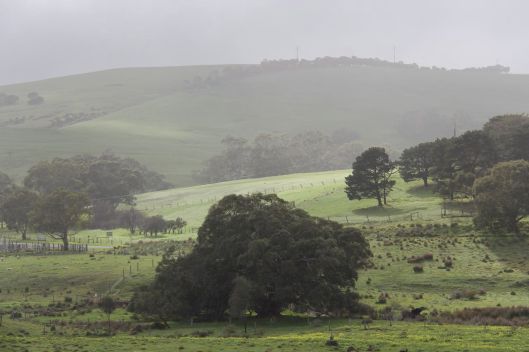
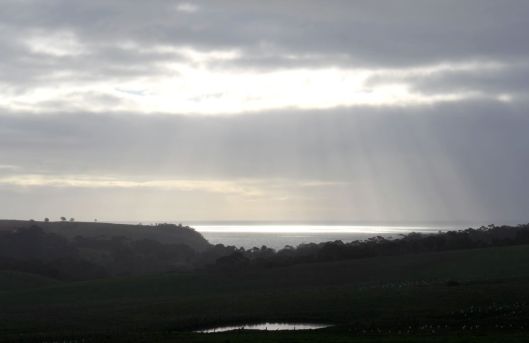
Mist in the valleys

It’s been a demanding few months on the farm. The persistent moisture has made the ground unworkable, most of the farm inaccessible except on foot and the weather generally hostile to both our motivation and ability to do anything useful. The vast quantities of rain we’ve received however, have meant that moisture has permeated deep into the subsoil, so we console ourselves with the hope that as the weather warms, our tree plantings (including those from earlier this winter) will rocket skywards. Continue reading →
Winter and the One Rock Dams: erosion control after the rain

24 Sunday Jul 2016

Posted by Joel in ecology, planning, regeneration, waterways

≈ 4 Comments

Tags

before and after, ecology, erosion, farm, Fleurieu Coast, one rock dam, planning, reuse, seasons, soil, southwestern Fleurieu, water, waterways, winter

IMG_8265

Rain, and a full dam.

By late July this year we’ve already exceeded our entire rainfall for 2015, and for now, the rain shows no signs of abating. This is fantastic news for our revegetation efforts, and our dam is now almost full for the first time in two years. With heavy rains – we managed to top 100mm (4 inches) in a single day – it’s also a chance to test the effectiveness of the erosion control strategies we’ve employed.

With significant erosion in some key areas of the property, we’ve worked to adapt erosion control strategies such as those practised by Bill Zeedyk and Craig Sponholtz (see April’s Waterway Restoration workshop/working bee and our Resources page for more information). In particular, we’ve constructed Zuni bowls, for arresting headcuts, and One Rock Dams, to slow water flow, catch sediment and gradually lift the floor of erosion gullies. After the recent deluge, we toured the works to see how we went. The Zuni bowls have had mixed success: those in relative stable locations have been effective, those in dispersive soils have been unpredictable. The One Rock Dams (ORDs) have been generally successful, if swamped by sediment!

The impact of 100mm of rain in one day is significant: exposed areas lose significant amounts of soil (some areas of gully floor had almost 30cm of freshly deposited sediment), and areas of dispersive soil go berserk, collapsing in all directions. For some of these areas, we’re continually seeking further advice, but for those we can manage, we monitor and tweak over time, and try to “let the water do the work” in healing the landscape.

Continue reading →

Matching trees to tricky spots

25 Saturday Jun 2016

Posted by Joel in ecology, planning, propagation, regeneration, trees

≈ Leave a comment

Tags

ecology, erosion, farm, Fleurieu Coast, permaculture, revegetation, seasons, seeds, soil, southwestern Fleurieu, trees, water

IMG_7914

Eucalyptus occidentalis, a hardy, salinity and waterlogging tolerant timber and bee forage WA species, putting on new growth despite a dry year.

For the first couple of years of tree planting, we adopted a pretty haphazard approach, planting a bit of everything everywhere, and waiting to see what would stick. It took only a couple of months to highlight which areas offered the conditions for revegetation at a respectable pace, and which did not. Some patches only appeared to support certain species, others seemed to support nothing at all. The challenge has been to work out why. For enthusiastic amateurs like us, the working out comes through plenty of observation, plenty of reading and plenty of research.

IMG_7870

One persistently hostile area of the farm offers saline, slaking, seasonally waterlogged clay with tunneling and cracks you could lose a child down.

For some areas on our farm, vegetation is a valuable indicator, plants like sea barley grass (Hordeum marinum) suggests mild salinity, and, in our case, seasonal waterlogging. In others, aspect and soil type present challenges. Three years of tree planting and walks through local bushland have also given us a sense of which local species might suit which locations. We keep trying new configurations in the same places, and also try to mimic the natural process of succession by planting hardy pioneers first, then waiting for them to establish shelter and canopy before adding others. As the balance of the landscape has changed through clearing, cultivation and the associated effects of erosion, shifting water tables and changes in nutrients and soil biology, many of the species that may have dominated a couple of centuries ago no longer tolerate certain areas of the block. Likewise, some areas that may have been conducive to vegetation when woodland was already present, once cleared, they seem to be hostile to its re-establishment: for example, a north-facing corridor of grey, cracking clay that has resisted our affections for two years now. Continue reading →

The Fourth Annual Tree Planting Extravaganza!

20 Monday Jun 2016

Posted by Joel in ecology, events, planning, regeneration, trees

≈ 5 Comments

Tags

ecology, farm, Fleurieu Coast, kangaroos, revegetation, seasons, sheep, soil, southwestern Fleurieu, trees, winter

IMG_8069

Reforesting the Fleurieu, one tree(guard) at a time.

Over the June long weekend, once again our loyal crew of tree-planters descended on Yarnauwi for the fourth year of tree planting. This year we planted 600 plants, local species associated with pink and red gum woodlands.

IMG_8095

The 2016 Crew

After 3 years of planting, many patches of seedlings are now well established, and on rainfall only they’re slowly growing into the landscape. Our mission for this year was to fill in some unplanted spaces, trace windbreaks and corridors between islands of vegetation, replant tricky spots with specially selected vegetation and to expand some of our successful woodlots. Spots that we cleared junk from earlier in the year were planted out, and areas of erosion control will also be planted with sedges and reeds this season. Continue reading →

Winter active

31 Tuesday May 2016

Posted by Joel in diy, ecology, regeneration, trees

≈ 1 Comment

Tags

design, ecology, erosion, farm, kangaroos, permaculture, revegetation, seasons, soil, southwestern Fleurieu, summer, trees, water, waterways, winter

IMG_7962

Blue gum (Eucalyptus leucoxylon) seedlings ready for planting.

Before Yarnauwi, we never really appreciated winter. Now, through the long dry season, we find ourselves yearning for a chill edge to the wind, the moisture in the grass, and skies of dark clouds. We’ve tried to plan our year to mimic the lives of so many of the organisms that occupy our landscape: in the hot, dry times, we go into maintenance mode, watching and waiting for the first rains before we spring into action again. With the greening of the landscape, it’s all on: tree-planting has begun, shed sites are levelled, the grass grows. In winter, the kangaroos converge in clans numbering hundreds, displaced from the pasture, they lounge among the seedlings in the reveg areas while we look on nervously.

IMG_7925

Joel and Annika work on a rock dam to arrest erosion on a boundary before the rains hit.

IMG_8018

And then the rains hit.

Continue reading →

The Yarnauwi Farm Annual Report 2015

13 Wednesday Jan 2016

Posted by Joel in diy, events, livestock, planning, regeneration, trees

≈ 5 Comments

Tags

annual report, design, ecology, farm, livestock, permaculture, planning, revegetation, seasons, sheep, soil, southwestern Fleurieu, trees

You can view a printable version of this Annual Report here.

IMG_5895

We’re now three years into the Yarnauwi project. With all of our major water and fencing infrastructure in place, 2015 was a year of consolidating and refining our planting and grazing systems, and continuing to restore habitat while also developing income streams. Once again, we thank you for your support this year, whether that’s been planting trees, purchasing meat, hauling junk, offering advice or just being generally encouraging! We feel enormously privileged to have such a supportive community of family, friends and neighbours contributing to the restoration and development of this patch of ground. Continue reading →

Seeing the forest for the trees: piecing together past ecology

21 Monday Sep 2015

Posted by Joel in ecology, planning, regeneration, trees

≈ 6 Comments

Tags

ecology, farm, planning, revegetation, seasons, soil, southwestern Fleurieu, trees

IMG_6958

Tall stringybark forest, Deep Creek Conservation Park, southwestern Fleurieu Peninsula.

It’s a preoccupation of ours to develop our understanding of the historic ecology of the farm. We’ve pored over books such as Mangroves to Mallee (Berkinshaw 2009), and The Native Forest and Woodland Vegetation of South Australia (Boomsma & Lewis), but their listings of different plant associations were often bewildering as we tried to nut out which was the best fit for our patch of ground. We had some information about climate, and a basic knowledge of soils, but only limited local remnant vegetation to refer to for an idea of what might’ve been here before colonisation. Our property has a couple of old red gums, but little sense of what the landscape might have looked like two hundred years ago. Early advice we received suggested that our landscape was once “pink gum woodland”, yet most of the initial pink gums we planted died. Having a sense of how our landscape was in the past not only assists our success in habitat regeneration, but also offers insight into how our landscape works in general.

We’ve looked at historical photographs, and they seemed to confirm our sense that there were once more trees than there are now, but by the late 1800s they already depict a deforested landscape. Through early colonial accounts we’ve also pieced together a rough picture of what the landscape may have been like, with a particular focus on how water may have been managed in the vegetation and soil. We’ve even brainstormed a sequence of events for how the landscape may have changed between colonisation and now, but what we lacked was local ecological detail. It was time to go back to the library, this time to trawl through past ecological studies of the region. With many written in the early 20th century, the papers we found articulate connections between soils, rainfall and then-living memory of plant communities throughout the Mount Lofty Ranges.

SpechtVegetationMap

Vegetation Map of the Mount Lofty Ranges and Murraylands, from Specht 1972

Continue reading →

The ground beneath your feet: resources for exploring soil

13 Sunday Sep 2015

Posted by Joel in ecology, regeneration, tools

≈ 1 Comment

Tags

design, ecology, erosion, farm, fencing, permaculture, planning, soil, southwestern Fleurieu, water

2Env_Res4Soils

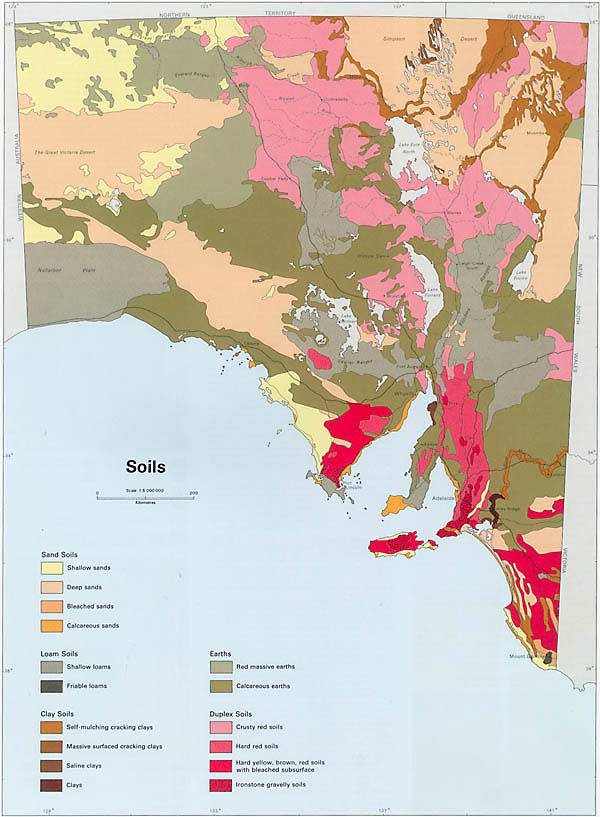
Soils of South Australia, divided into 16 subgroups, from the 1986 Atlas of South Australia.

Recently we’ve been thinking a lot about soil. After all, it is the International Year of Soils, and really, without dirt, there’s not much else. Understanding how our soils work and how to restore them is an essential part of our regeneration project and their structure and composition help define the boundaries of what’s possible on our patch of ground. As Adamson and Osborn asserted in their pioneering 1924 study of the ecology of the eucalypt forests of the Mount Lofty Ranges, climate and soils are the primary factors in determining ecological variation in the region, so even where the scrub has long been cleared, soils can also offer a memory of past ecosystems.

However, it’s taken us a while to unravel meaningful information about soils. There’s a whole new vocabulary, and when you don’t yet know your Kandosols from your Kurosols the whole experience can be a bit mystifying. To make things even more complex, there are oodles of different technical terms for describing any particular soil type, depending on era or classification systems. So we thought we’d share some resources that we’ve come across that may be of use in working out what you’re sitting on. Continue reading →

Planting for the future: exploring tree time

30 Sunday Aug 2015

Posted by Joel in ecology, propagation, regeneration, trees

≈ 4 Comments

Tags

ecology, farm, nursery, permaculture, propagation, seasons, seeds, soil, southwestern Fleurieu, trees, winter

IMG_6643

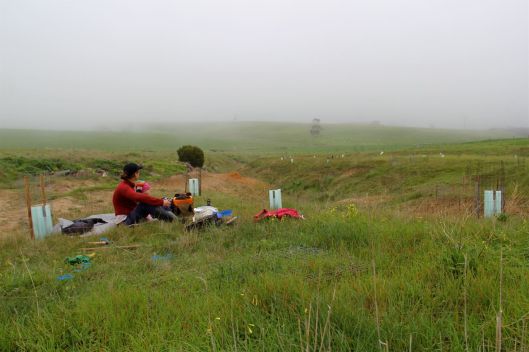
Present-day badlands, future cloud forest (?!): Sophie and Annika take a break from planting.

After three months, our tree planting activities are finally finished for 2015. The pattern is always the same. Sophie does her best to moderate my impulses, but when the opening rains come I always seem to get a rush of chlorophyll to the head and end up with boxes of seedlings more than we could ever reasonably plant. That said, with the support of our community of family and friends, this year we planted 1000-odd trees, shrubs and ground covers, 300 grasses propagated from seed collected on the property, and still had a few boxes to give to neighbours.

IMG_6513

Asher inspects a red gum seedling only a few months younger than him.

Continue reading →

Signs of winter

22 Monday Jun 2015

Posted by Joel in ecology

≈ 5 Comments

Tags

ecology, farm, photography, seasons, soil, southwestern Fleurieu, water, winter

IMG_6431

Wintry dawn over Second Valley cliffs, June 2015

When the rain comes, everything changes. The soil begins to dissolve from its summer hardness, the air develops an edge, and in the damp places, centipedes awaken. After the dryness of 2014 the rain is still playing catch-up, the dam is just a puddle, and there are few places where the soil feels genuinely saturated, but it’s undoubtedly the time to start winter tasks: tree planting, trench-digging, planning.

IMG_6376

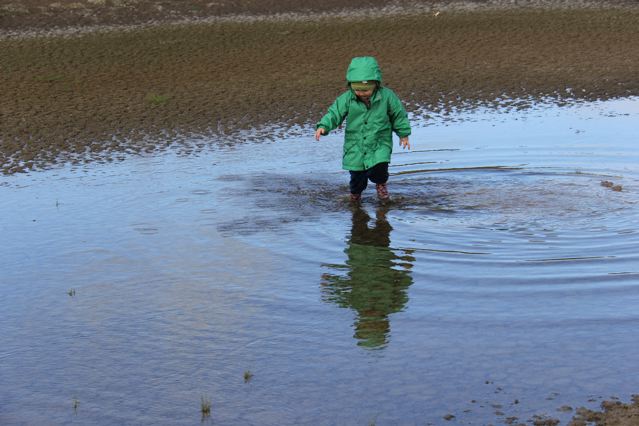
It’s still not quite a dam, but it is a very good puddle!

Continue reading →

← Older posts
Newer posts →

Yarnauwi on Etsy

Enter your email address to follow this blog and receive notifications of new posts by email.

Join 223 other subscribers

What We’re Writing About

alpacas annual report art art and craft bees before and after birds books building cheese climate change craft damara design downloads ecology embroidery erosion etsy events farm fencing fire Fleurieu Fleurieu Coast Fleurieu Peninsula food fungi future hack hiking history illustration insects kangaroos leather leathercraft linoprint livestock logo nursery permaculture photography picnics planning plants Plastic-free July printing propagation rain recycling regeneration regenerative agriculture reuse revegetation sea seasons seeds shed sheep sheepskins shop soil southwestern Fleurieu stiles summer textiles tractor trees ute waste water waterways winter zones

Meta

  • Create account
  • Log in
  • Entries feed
  • Comments feed
  • WordPress.com

Blog at WordPress.com.

  • Subscribe Subscribed
    • Yarnauwi Farm
    • Join 223 other subscribers
    • Already have a WordPress.com account? Log in now.
    • Yarnauwi Farm
    • Subscribe Subscribed
    • Sign up
    • Log in
    • Report this content
    • View site in Reader
    • Manage subscriptions
    • Collapse this bar
 

Loading Comments...