• About
  • Anacotilla: History & Hearsay
  • Junk: A Curated Collection
  • Resources
  • Species List
  • Yarnauwingga and beyond

Yarnauwi Farm

~ Fleurieu Peninsula, South Australia

Yarnauwi Farm

Tag Archives: food

Deep Winter comes to the Fleurieu!

16 Tuesday Jul 2019

Posted by Joel in events, food, livestock, regeneration

≈ 4 Comments

Tags

agrarian, conference, deep winter, ecology, farm, farming, Fleurieu, Fleurieu Coast, food, gathering, livestock, permaculture, regenerative agriculture, soil, winter
Joel dusted off his design degree to contribute a logo to the gathering.

Each winter since 2015, aspiring and established small-scale and regenerative farmers and their supporters and allies have gathered somewhere in Australia as part of the Deep Winter Agrarian Gathering to share ideas and inspiration for their projects and enterprises. In June 2019, this convergence drifted westwards to be held in Willunga, South Australia, and we were delighted to participate.

150 aspiring and established regenerative farmers, growers and their friends gathered in Willunga, SA, for the Deep Winter Agrarian Gathering.

The tone for the convergence was set with a keynote from former CSIRO microbiologist and climate scientist Walter Jehne, who spoke on the role and responsibility of rebuilding soil carbon and water cycles through agriculture and land management. Through his inspiring presentation, Jehne drew on indigenous land management as described in the work of Bill Gammage and Bruce Pascoe to also establish a precedent for the capacity of Australian soils to hold significant amounts of carbon and water.

Walter Jehne, in full flight.
Continue reading →

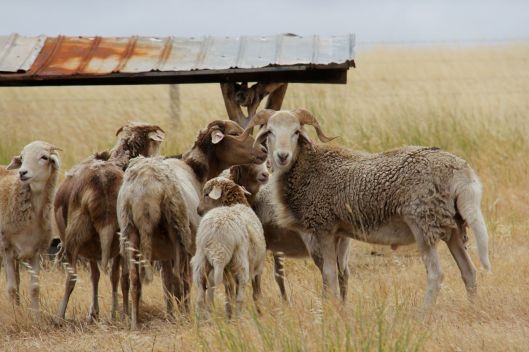
Lamb and mutton from Yarnauwi Farm

18 Sunday Sep 2016

Posted by Joel in food, livestock

≈ 2 Comments

Tags

events, farm, Fleurieu Coast, food, livestock, permaculture, sheep, southwestern Fleurieu

IMG_7202

After a year or two building up our experimental flock of climate-resilient sheep, it’s time for another meat harvest. This October, we’ll be offering cuts from a selection of one-year-old lamb and hogget, together with some mouth-watering mutton. (For those of you who need convincing on the delights of mutton, look no further than Hugh Fearnley-Whittingstall who describes mutton as the beef of the sheep world, or fellow foodie Sophie Grigson who gushes that mutton is “beautifully tender, firm-grained, and with a rich but not aggressive flavour,” offering, in comparison to lamb, “more depth of flavour, a more complex rounded taste, more ‘umami’, if you like.”)

All of our sheep are born, raised, grazed, and slaughtered on the Fleurieu Peninsula, and this year will be butchered by the team at Normanville Meat and Seafood. Each cut ordered will be vacuum-packed and delivered in refrigerated luxury to your door at the end of October (assuming you live in Adelaide or surrounds).

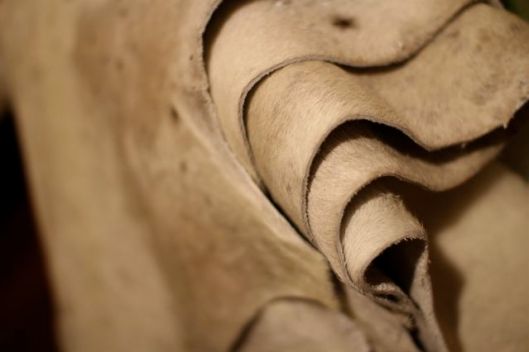
In an effort to utilise as much of the beast as possible, once again, we’ll also be enlisting Tony Scott of Southern Tanners, Port Elliot, to tan their delicately mottled hides. These hides will be available later in the year for all your home decor or artisanal urges. Stay tuned.

If you’d like to put in an order, drop us an email at yarnauwi[at]gmail.com, and we’ll send you all the details!

IMG_5994

Hides available later in 2016

The 2016 Drop

21 Sunday Aug 2016

Posted by Joel in livestock, planning

≈ 5 Comments

Tags

farm, Fleurieu Coast, food, livestock, seasons, sheep, southwestern Fleurieu, winter

IMG_8377

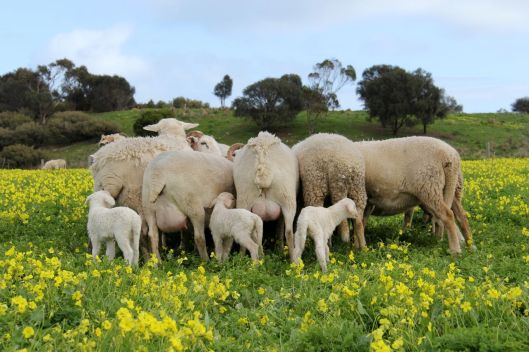
Triplets wait patiently for their mother’s attention again.

The 2016 lambing season has begun at Yarnauwi, with seven lambs dropping so far. One set of triplets, two lots of twins (with three survivors) and our first, puppy-like Damara lamb.

IMG_8382

Damara x Dorper lambs. You may have noticed we also have soursobs.

It’s also our first season experimenting with Manchego the Damara ram. Our initial flock were Wiltshire horns, a British breed that we found were more selective than we would’ve liked in their grazing habits, and sensitive to the exposure of our blistering summers. A few of their lambs were part Dorper, and in the culture of the flock, they’ve mimicked the habits of the Wiltshire Horn matriarchs.  Continue reading →

The plastic-free wrap-up: reflecting on reducing waste

02 Sunday Aug 2015

Posted by Joel in ecology, waterways

≈ 2 Comments

Tags

ecology, farm, food, Plastic-free July, recipes, recycling, reuse, southwestern Fleurieu, waste, waterways

IMG_6590

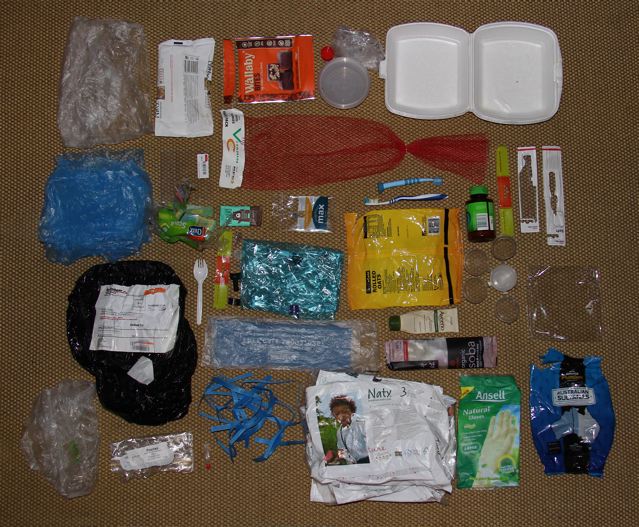
The contents of the Plastic-free July dilemma bag: 494 grams of plastic waste.

A month ago we embarked on our attempt to avoid single-use plastics for the month of July. We were inspired to experiment with this waste-reduction challenge by our concern both about the plastics in our home and farm (the legacy of which we’re still hauling from our gullies), as well as the presence of plastics of all descriptions in the rockpools and high-tide marks of the nearby coast.

Collecting our ‘unavoidable’ plastic waste in a ‘dilemma’ bag, at the end of the month, our household total was 494 grams, down 288 grams from the previous month, although a significant portion of this month’s waste were leftovers from previous purchases or packaging from gifts from others! As the photo above shows, the volume of plastic waste was noticeably less. Continue reading →

The Farm Year in Review: 2014

18 Thursday Dec 2014

Posted by Joel in events, livestock, planning, regeneration

≈ 6 Comments

Tags

design, ecology, events, farm, fencing, food, hiking, livestock, permaculture, planning, propagation, revegetation, seasons, sheep, southwestern Fleurieu, summer, tractor, water, winter, zones

2014 was a year where the dry season came early and stayed late. It seemed as if the rain barely had a chance to soften the ground and throw up some soursobs before our clay soils began to crack again and the pasture browned off. Despite this, after two years observing the rhythms of this patch of ground, I feel like we’re becoming more resilient and optimistic: where previously we despaired at every lost seedling, now we celebrate every survivor.

shingleback

Summer: a shingleback lizard soaks up some sunshine.

In the spirit of permaculture, this year also marks a transition from our observational period towards beginning to implement infrastructure for a sustainable farming enterprise. With fencing and water infrastructure for livestock, our appreciation of the need for water only deepens, and despite its challenges, we’ve learnt to stop worrying and love winter.

Continue reading →

Life and Death

16 Tuesday Dec 2014

Posted by sophie in food, livestock, Uncategorized

≈ 6 Comments

Tags

fencing, food, livestock, sheep

Our first lambing season has come to an end, with four boy and four girl lambs gracing our paddocks. All our ewes birthed successfully and recovered well for which we are proud (none were first-time mothers). Our two alpacas have done a great job at keeping foxes away from the lambs, making this freaky high pitched ululation when even a small elderly house dog sets foot on the property in a car with its owner! We’ve kept mothers and lambs together so that mothers can pass on their nutritional wisdom, and to self-wean whenever they choose to.

Asha, Simon and Joel wrangle lambs in our moveable sheepyards

Even though we completed an excellent NRM sheep course, we’ve had to largely teach ourselves how to do a range of lambing operations. We’ve docked all the tails, given two rounds of vaccinations, tagged their ears, and castrated the boys (this was a real challenge!) Thanks to Simon, Asha and Rob who were guest sheep wranglers at various points, and without whom we would have struggled to complete the jobs.
Continue reading →

Sheep update: It’s a girl!

10 Wednesday Sep 2014

Posted by Joel in food, livestock

≈ Leave a comment

Tags

farm, food, livestock, sheep, southwestern Fleurieu

The new lamb takes a kip in the grass.

Taking a kip.

With the last blast of winter, our small flock has had its first new birth. Both ewe and lamb are healthy, with the mother appropriately protective of her new charge, huffing and hoof-stomping whenever we wander too close and carefully keeping apart from the flock. Continue reading →

Propagating Oaks 1: Germination

02 Wednesday Jul 2014

Posted by Joel in diy, livestock, planning, propagation, trees

≈ Leave a comment

Tags

food, livestock, nursery, permaculture, planning, propagation, seeds, trees, winter

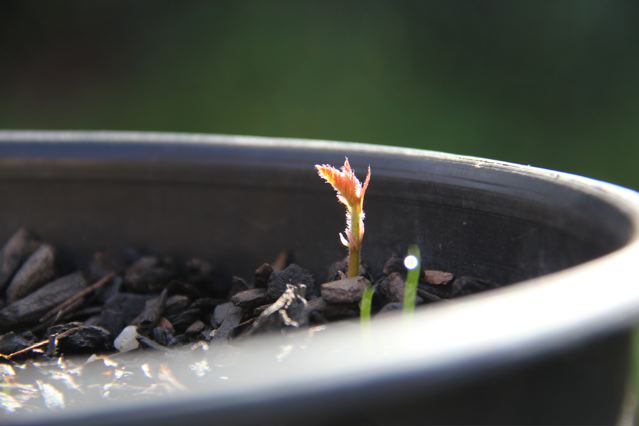
An English oak seedling (Quercus robur) reachers towards the winter sun.

An English oak seedling (Quercus robur) reaches towards the winter sun.

Back in autumn, we gathered freshly fallen acorns from the base of a row of massive old English oaks (Quercus robur). Inspired by the dehesa agroforestry systems of Spain and Portugal, we’ve often pondered how a livestock-grazed oak plantation could work on the property. Acorns for pigs, and perhaps even human consumption, timber for the use of our great-great-grandchildren, and in the meantime, a carpet of fallen leaves offering organic matter for composting and mulch. So, with some bags of acorns and few containers of the topsoil and leaf litter from around the parent oaks, we set to propagating them.

We mixed the leaf litter and gathered topsoil in with our potting medium, hoping to inoculate our own medium with beneficial fungi, and then planted the acorns. We planted some close to the surface, and others about an acorn-width deep. After about eight weeks of being kept damp and left in the late autumn-early winter sun, they began sending their first shoots upwards, red furry things with a cluster of jagged leaves at the top. The depth of the acorn doesn’t seem to have had any bearing on their readiness to propagate. Once they’ve all emerged and are about 8-10 cm tall, we’ll carefully thin them, planting out excess strong specimens to their own pots until we have one decent plant per pot.

Grow little seedling, grow!

Grow little seedling, grow!

Propagating feijoas

26 Thursday Jun 2014

Posted by Joel in diy, propagation, trees

≈ 1 Comment

Tags

food, nursery, permaculture, propagation, seeds, trees, winter

The take-away container propagation method. Place cleaned seed on a damp cloth, replace lid, and leave in a warm place.

The take-away container propagation method. Place cleaned seed on a damp cloth, replace lid, and leave in a warm place.

The feijoa (Acca sellowiana, aka. Feijoa sellowiana) is one of those underrated suburban fruit trees that is often (perhaps unwittingly) grown around Adelaide backyards and little eaten. The varieties I’ve come across most often have offered grey-green torpedoes with a sharp, pineapple tang and a somewhat gritty texture. In the height of feijoa season, we were given a paper bag full of a variety I’d not encountered before. The skin was thin enough to bite a chunk out of and the flesh silky(ish) and smooth. Continue reading →

Book Review: Embracing an arid future in “Growing Food in a Hotter, Drier Land”

19 Wednesday Mar 2014

Posted by Joel in ecology, planning, reviews

≈ Leave a comment

Tags

bees, books, design, ecology, food, permaculture, planning, revegetation, seeds, soil, trees, water

Years before there was talk of locavores and 100-mile-diets and omnivore’s dilemmas, I came upon Gary Nabhan’s book Coming Home to Eat, a personal account of his experiences striving to solely eat food produced in his home bioregion of the US-Mexican borderlands in southern Arizona. His observations as renowned desert ecologist and ethno-botanist redefined how I thought about food and sustainability and accompanied me on my own sustainable food explorations for years after.

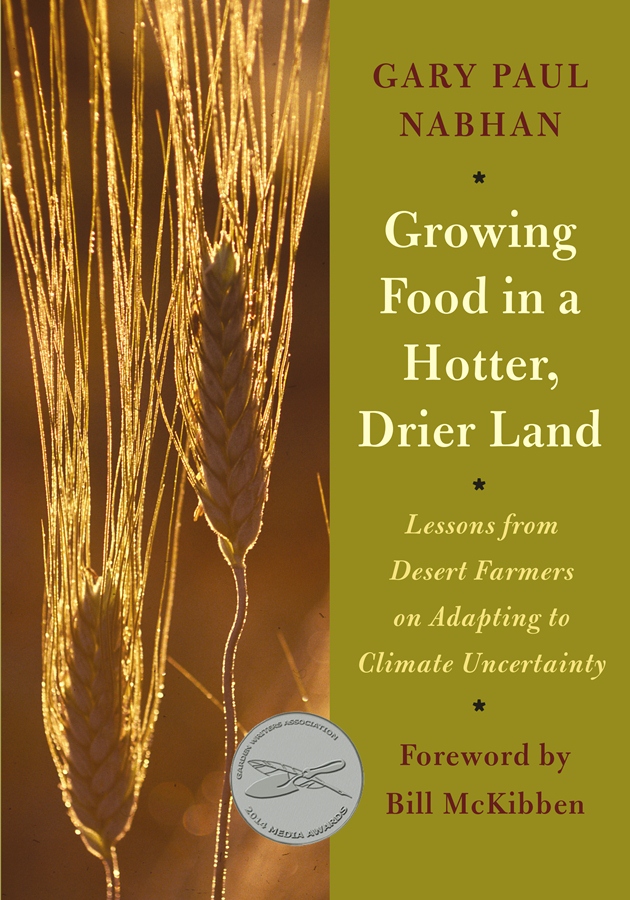
I get the feeling that his latest book, Growing Food in a Hotter, Drier Land: Lessons from Desert Farmers on Adapting to Climate Uncertainty (Chelsea Green, 2013), may be another companion for us in our adventures on the farm. While Growing Food is as practical as its title suggests, it is permeated by Nabhan’s respect for the insights of cultures deeply connected to the land, and his belief that communities connected to their bioregion are the most resilient in the face of environmental change. Continue reading →

← Older posts

Yarnauwi on Etsy

Enter your email address to follow this blog and receive notifications of new posts by email.

Join 223 other subscribers

What We’re Writing About

alpacas annual report art art and craft bees before and after birds books building cheese climate change craft damara design downloads ecology embroidery erosion etsy events farm fencing fire Fleurieu Fleurieu Coast Fleurieu Peninsula food fungi future hack hiking history illustration insects kangaroos leather leathercraft linoprint livestock logo nursery permaculture photography picnics planning plants Plastic-free July printing propagation rain recycling regeneration regenerative agriculture reuse revegetation sea seasons seeds shed sheep sheepskins shop soil southwestern Fleurieu stiles summer textiles tractor trees ute waste water waterways winter zones

Meta

  • Create account
  • Log in
  • Entries feed
  • Comments feed
  • WordPress.com

Blog at WordPress.com.

  • Subscribe Subscribed
    • Yarnauwi Farm
    • Join 223 other subscribers
    • Already have a WordPress.com account? Log in now.
    • Yarnauwi Farm
    • Subscribe Subscribed
    • Sign up
    • Log in
    • Report this content
    • View site in Reader
    • Manage subscriptions
    • Collapse this bar
 

Loading Comments...