• About
  • Anacotilla: History & Hearsay
  • Junk: A Curated Collection
  • Resources
  • Species List
  • Yarnauwingga and beyond

Yarnauwi Farm

~ Fleurieu Peninsula, South Australia

Yarnauwi Farm

Category Archives: planning

Pipe Dreams: How to set up a watering system for stock

22 Tuesday Apr 2014

Posted by Joel in diy, livestock, planning, waterways

≈ 2 Comments

Tags

building, design, livestock, planning, seasons, southwestern Fleurieu, summer, water, winter

‘Pipe Dream’: useful for passing time in the late 1980s, not that useful for planning livestock systems.

One of our key milestones in the development of the property this year was the establishment of a watering system for livestock. Having a watering system supports our fencing of the farm dam and waterways for habitat regeneration and also allows us to more intensively manage the movement and impact of livestock through rotational grazing. While we’re still the furthest thing from expert, with the advice and support of our neighbours, we managed to knock together a watering system that works. In researching and developing our own plans, we found an absence of basic information on setting up stock systems, so the ideas below are a few of the things we learnt or found useful in planning a system for our own context and landscape. They are just one perspective in informing your own planning, and shouldn’t be read as an endorsement of any particular way of doing things.
Continue reading →

A One-Page Place Assessment for TBC Farm, Second Valley

30 Sunday Mar 2014

Posted by Joel in ecology, planning, regeneration, waterways

≈ 2 Comments

Tags

books, design, ecology, permaculture, planning, revegetation, seasons, soil, southwestern Fleurieu, trees, water, waterways

Brad Lancaster’s books on Rainwater Harvesting would have to be among the most consistently inspiring books we own. Two volumes into his trilogy on Rainwater Harvesting for Drylands and Beyond, Lancaster combines accumulated community wisdom with permaculture principles to produce lavishly illustrated, practical and highly accessible manuals for managing water in urban and rural environments. Consistent with permaculture thinking, Lancaster urges land managers to spend time observing the season patterns of the landscape to more effectively design for sustainable, integrated water management. One method of doing this is to compile a One Page Place Assessment, drawing together essential climatic and ecological information about your particular location.

Our first year has been one of spreadsheets, mapping out our seasonal observations and activities, and the One Page Place Assessment concept is a elegant way of compiling climatic data from Second Valley and the surrounding area. We’ve finally completed the first version of a place assessment for our property, with much of the data drawn from Bureau of Meteorology stations nearby (Myponga Reservoir being the furthest). While we have tailored information to our particular location, we hope it will be of use to other landowners in the region. We have also referenced information sources so others can draw on the same resources in exploring their own area.

You can download our One Page Place Assessment here. Continue reading →

Book Review: Embracing an arid future in “Growing Food in a Hotter, Drier Land”

19 Wednesday Mar 2014

Posted by Joel in ecology, planning, reviews

≈ Leave a comment

Tags

bees, books, design, ecology, food, permaculture, planning, revegetation, seeds, soil, trees, water

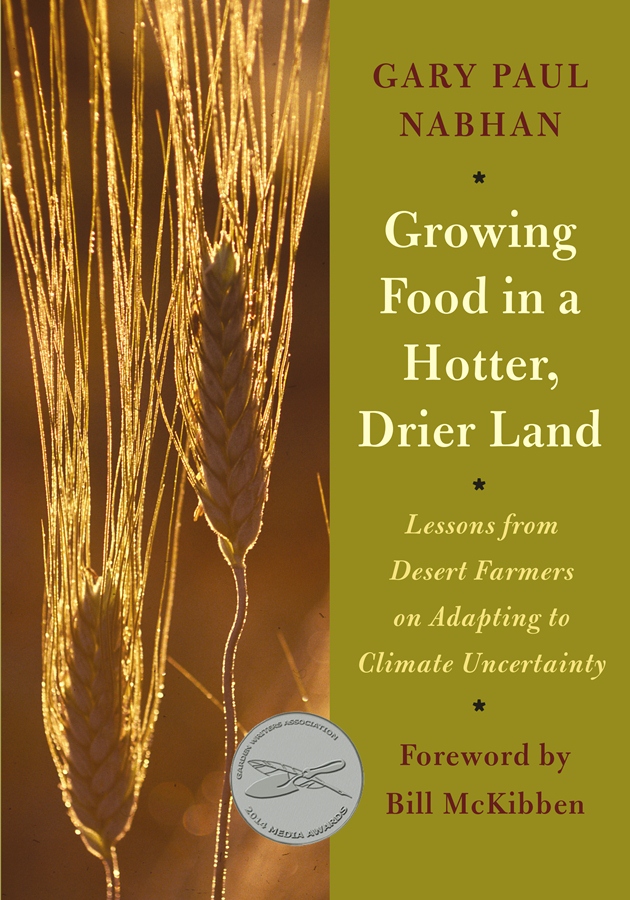
Years before there was talk of locavores and 100-mile-diets and omnivore’s dilemmas, I came upon Gary Nabhan’s book Coming Home to Eat, a personal account of his experiences striving to solely eat food produced in his home bioregion of the US-Mexican borderlands in southern Arizona. His observations as renowned desert ecologist and ethno-botanist redefined how I thought about food and sustainability and accompanied me on my own sustainable food explorations for years after.
I get the feeling that his latest book, Growing Food in a Hotter, Drier Land: Lessons from Desert Farmers on Adapting to Climate Uncertainty (Chelsea Green, 2013), may be another companion for us in our adventures on the farm. While Growing Food is as practical as its title suggests, it is permeated by Nabhan’s respect for the insights of cultures deeply connected to the land, and his belief that communities connected to their bioregion are the most resilient in the face of environmental change. Continue reading →

Travels in Inter-Tussock Space: Planning for Woodland

10 Monday Mar 2014

Posted by Joel in ecology, planning, regeneration

≈ 3 Comments

Tags

design, ecology, erosion, kangaroos, permaculture, planning, revegetation, seeds, soil, southwestern Fleurieu, trees, waterways, zones

We’ve seeded our last 150 tubes in preparation for planting in a few months time. When the rains come, we’ll have over 1000 plants ready to go. Most are destined for the regeneration areas we’ve fenced around the waterways, but a few others are non-indigenous livestock fodder plants, timber trees and food plants we’ve raised from seed and cuttings to begin developing other zones around the farm.

IMG_3579

It’s a Pink Gum Woodland, it just doesn’t know it yet.

Late in 2013, along with a posy of other plant nerds, we attended a workshop with botanist Ann Prescott (author of It’s Blue with Five Petals) to explore ideas behind revegetation for habitat. We walked through remnant woodland in the hills above Yankalilla, and tried to imagine how our farm might have looked 180 years ago. Continue reading →

The First Phase of Fencing: Marking Zone 5

17 Tuesday Dec 2013

Posted by Joel in ecology, livestock, planning, regeneration, waterways

≈ 3 Comments

Tags

building, ecology, erosion, fencing, kangaroos, livestock, permaculture, planning, revegetation, trees, waterways, zones

IMG_3241

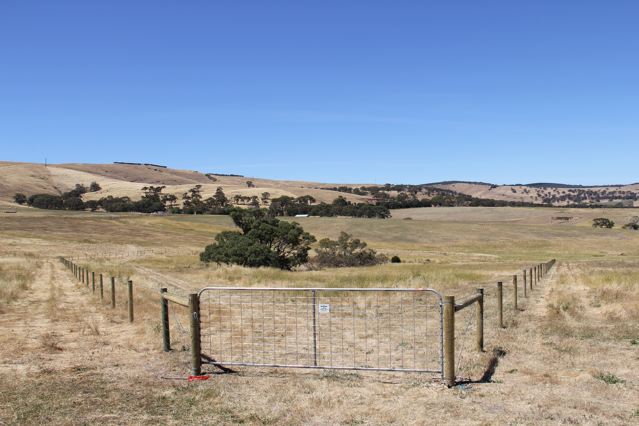
The gate into the top end of the northern revegetation area

While our impact on this landscape has been pretty minimal so far, with the completion of our first phase of fencing, we’ve begun more major infrastructure works. We’ve started by fencing off two big chunks of ground encircling the erosion gullies, surrounding them with a roughly 20-metre buffer zone for future woodland regeneration.

IMG_3231

Neat knots

In a permaculture sense, these patches of ground will be our Zone 5, our minimal-management ‘wilderness’ zones, designed for habitat and ecosystem services such as erosion and salinity control and water filtration. Abutting our western boundary they form a link with the creeks and swamps that feed the Congeratinga River. With these zones now marked onto the landscape we can plan outwards towards zones of increasing management intensity. Continue reading →

A Year on the Block

27 Wednesday Nov 2013

Posted by Joel in ecology, planning, regeneration

≈ 2 Comments

Tags

bees, design, ecology, erosion, history, kangaroos, permaculture, planning, seasons

TBC2013November marks one year since we began our relationship with this patch of soil, grass and rusty car parts. If the permaculture imperative is to obtain a yield, then the yields of this first year have been largely intangible, but no less real. It has been a year of observing and learning about the land, ourselves and what we can do here. I remember emotions I was feeling about this project a year ago, and I think my terror has been mostly balanced by a sense of calm. Where 12 months ago I was overwhelmed by the scale of our ignorance, now, our ignorance is still largely intact, but I’m more confident in our collective abilities as a family, nested within a community, to unravel the challenges we face. Continue reading →

Our first wet winter

01 Sunday Sep 2013

Posted by Joel in ecology, events, planning, regeneration

≈ 3 Comments

Tags

erosion, events, photography, revegetation, seasons, trees, winter

IMG_2852_2_3

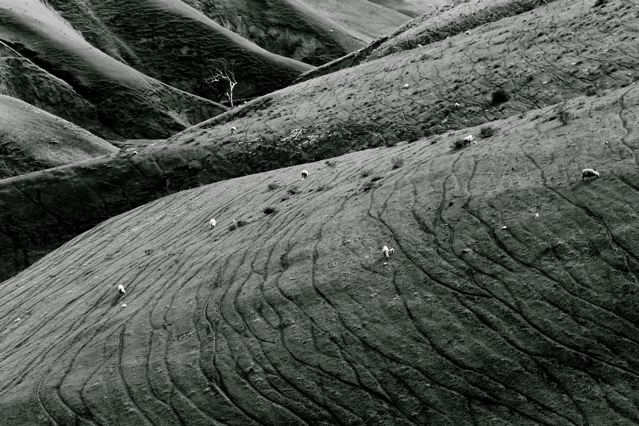
Sheep figuring out the contour, near Sellicks.

I feel like I’ve never really understood winter until this year. When the first rains came, they came hard, revealing slippery, sticky mud and rivulets in unexpected places. The average June rainfall for Second Valley is around 90mm. This year the Bureau of Meteorology recorded over 200mm, and the nearby district of Parawa scored a record-breaking 266mm. Long-dormant erosion gullies were reawoken, creek banks slumped, and everywhere there was the sound of dripping. Now, the days are clearing, the sun has bite and already the kangaroos have joeys in pouch. Here’s some highlights from the wet season. Continue reading →

The trials of tree-planting: ideas for roo-proofing reveg

01 Sunday Sep 2013

Posted by Joel in ecology, planning, regeneration, waterways

≈ 2 Comments

Tags

ecology, erosion, kangaroos, planning, revegetation, seasons, soil, trees, waterways, winter

IMG_2942

Kangaroos: so cute, yet so merciless.

One of winter’s most exciting prospects was the chance to get some trees in the ground. Our strategy for revegetation has been to try to build islands of vegetation in the most vulnerable areas, with the view to expanding them outwards until they connect up. We were aware that the kangaroos would take an interest, but just how much of an interest we were unprepared for.
Continue reading →

Hitting the surf: Measuring dam capacity

05 Monday Aug 2013

Posted by Joel in diy, planning, waterways

≈ 1 Comment

Tags

planning, seasons, water, waterways, winter

IMG_2869With our dam now full, one task that’s been on our list since summer is to calculate its approximate capacity to aid with planning our watering infrastructure. We found a couple of possible methods: the Western Australian Department of Agriculture has a very thorough approach, while the Victorian Department of Primary Industries offers a rougher option. We opted for the Victorian method, not least because it offered a chance for us to take our very patriotic inflatable adventure craft out onto the pond.

Continue reading →

The first golden summer

02 Saturday Mar 2013

Posted by Joel in diy, planning, regeneration

≈ 2 Comments

Tags

ecology, events, kangaroos, photography, planning, recycling, revegetation, seeds, soil, summer, trees, waste

Another hot dawn breaks

Another hot dawn breaks

While the sun still has some sting left in it, we’ve now completed our first official summer working with the block. When we settled the contract in late November, we began drafting a phased plan for actions to take over the 2012/13 period and beyond. We intended the first year (at least) to be primarily a process of observing and auditing the property, learning what we can about what is here, what has been and what is possible.

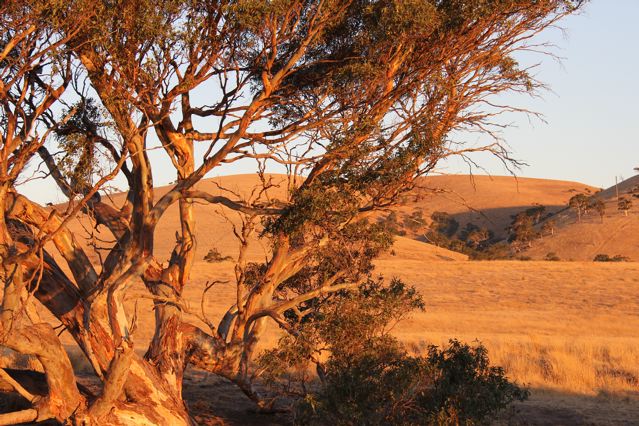
Golden afternoon light on the big red gum and the hills beyond

Golden afternoon light on the big red gum and the hills beyond

Continue reading →

← Older posts
Newer posts →

Yarnauwi on Etsy

Enter your email address to follow this blog and receive notifications of new posts by email.

Join 223 other subscribers

What We’re Writing About

alpacas annual report art art and craft bees before and after birds books building cheese climate change craft damara design downloads ecology embroidery erosion etsy events farm fencing fire Fleurieu Fleurieu Coast Fleurieu Peninsula food fungi future hack hiking history illustration insects kangaroos leather leathercraft linoprint livestock logo nursery permaculture photography picnics planning plants Plastic-free July printing propagation rain recycling regeneration regenerative agriculture reuse revegetation sea seasons seeds shed sheep sheepskins shop soil southwestern Fleurieu stiles summer textiles tractor trees ute waste water waterways winter zones

Meta

  • Create account
  • Log in
  • Entries feed
  • Comments feed
  • WordPress.com

Blog at WordPress.com.

  • Subscribe Subscribed
    • Yarnauwi Farm
    • Join 223 other subscribers
    • Already have a WordPress.com account? Log in now.
    • Yarnauwi Farm
    • Subscribe Subscribed
    • Sign up
    • Log in
    • Report this content
    • View site in Reader
    • Manage subscriptions
    • Collapse this bar
 

Loading Comments...