
Tags
ecology, erosion, farm, Fleurieu Coast, permaculture, revegetation, seasons, seeds, soil, southwestern Fleurieu, trees, water
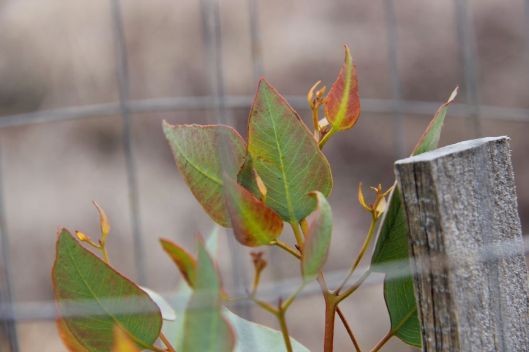
Eucalyptus occidentalis, a hardy, salinity and waterlogging tolerant timber and bee forage WA species, putting on new growth despite a dry year.
For the first couple of years of tree planting, we adopted a pretty haphazard approach, planting a bit of everything everywhere, and waiting to see what would stick. It took only a couple of months to highlight which areas offered the conditions for revegetation at a respectable pace, and which did not. Some patches only appeared to support certain species, others seemed to support nothing at all. The challenge has been to work out why. For enthusiastic amateurs like us, the working out comes through plenty of observation, plenty of reading and plenty of research.

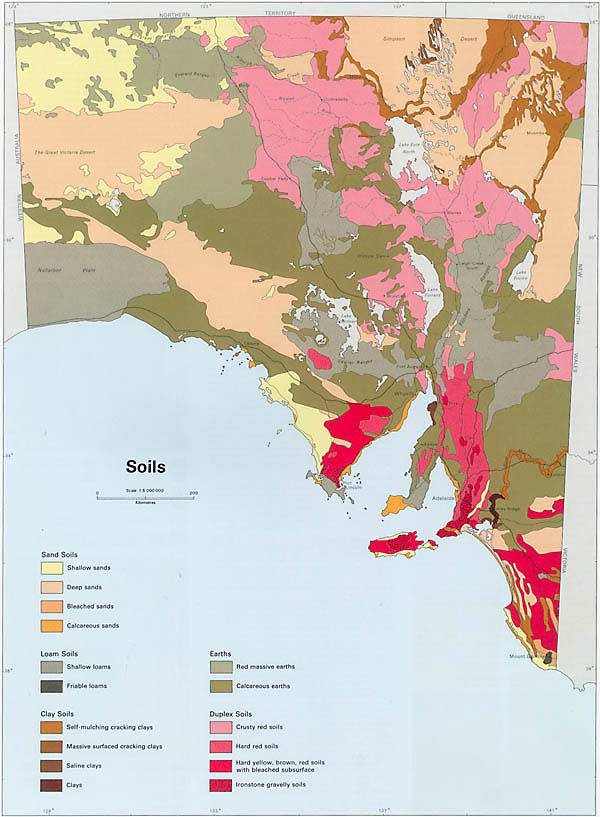
One persistently hostile area of the farm offers saline, slaking, seasonally waterlogged clay with tunneling and cracks you could lose a child down.
For some areas on our farm, vegetation is a valuable indicator, plants like sea barley grass (Hordeum marinum) suggests mild salinity, and, in our case, seasonal waterlogging. In others, aspect and soil type present challenges. Three years of tree planting and walks through local bushland have also given us a sense of which local species might suit which locations. We keep trying new configurations in the same places, and also try to mimic the natural process of succession by planting hardy pioneers first, then waiting for them to establish shelter and canopy before adding others. As the balance of the landscape has changed through clearing, cultivation and the associated effects of erosion, shifting water tables and changes in nutrients and soil biology, many of the species that may have dominated a couple of centuries ago no longer tolerate certain areas of the block. Likewise, some areas that may have been conducive to vegetation when woodland was already present, once cleared, they seem to be hostile to its re-establishment: for example, a north-facing corridor of grey, cracking clay that has resisted our affections for two years now. Continue reading







 Yarnauwi Farm