
Tags
books, climate change, design, ecology, farm, future, livestock, permaculture, planning, southwestern Fleurieu, water


We’ve recently read a couple of books that have served as a catalyst to revisit what a future climate scenario might be like for the Fleurieu Peninsula, and how we can ensure the greatest resilience for our patch of ground. The books are two practical volumes on climate change, the first The Handbook: Surviving and Living with Climate Change, by Jane Rawson and James Whitmore, is a tour of practical household and community strategies for adapting to climate change in Australia. The second, Two Percent Solutions for the Planet: 50 low-cost, low-tech, nature-based practices for combatting hunger, drought and climate change, is a farming and land restoration-focussed collection of case studies collected by Quivira Coalition co-founder, Courtney White. For readers that may’ve grown weary of the political inertia around climate change, not to mention the vast scale of the problem, the practical, household-, community- or farm-scale focus of both books offers a practical way of re-engaging with the climate challenge. Two Percent Solutions serves as an optimistic companion read to the sometimes gloomy vibe of The Handbook, with its strategies offering scope for both climate mitigation and adaptation. Continue reading

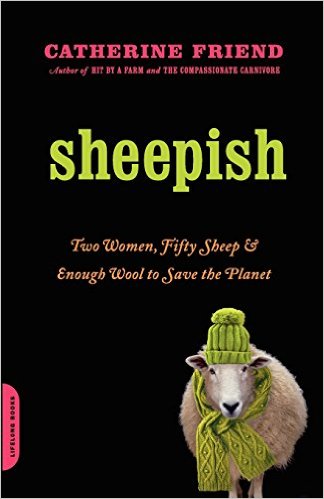

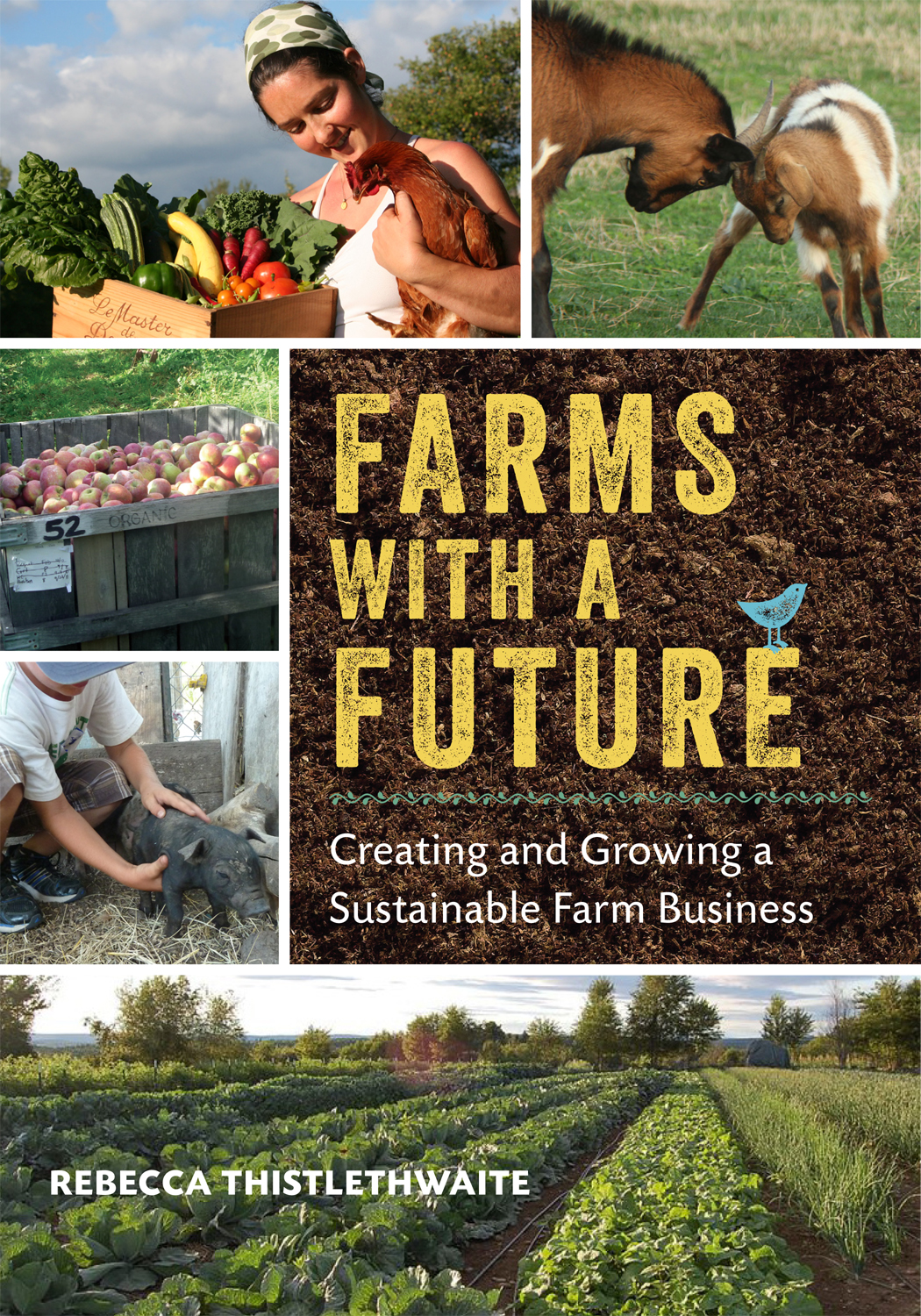 In her book
 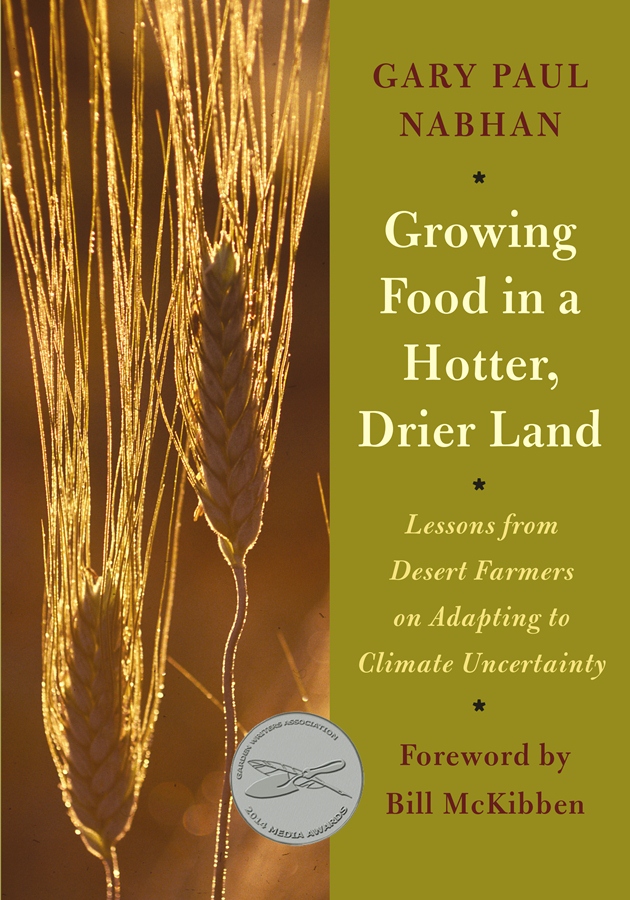 Years before there was talk of locavores and 100-mile-diets and omnivore’s dilemmas, I came upon Gary Nabhan’s book Coming Home to Eat, a personal account of his experiences striving to solely eat food produced in his home bioregion of the US-Mexican borderlands in southern Arizona. His observations as renowned desert ecologist and ethno-botanist redefined how I thought about food and sustainability and accompanied me on my own sustainable food explorations for years after.
 In The Biggest Estate on Earth (Allen & Unwin, 2011), historian Bill Gammage describes a detailed vision of Aboriginal land management prior to European colonisation of Australia. While many Australians have a broad sense that “fire-stick farming” was (and is) a tool used by Aboriginal people, The Biggest Estate on Earth begins to fathom how finely tuned Aboriginal fire use was. With fire as one of a suite of tools, Aboriginal people across the Australian continent carved the landscape into a mosaic of ecosystems, each harbouring plants and animals of differing sensitivity to fire, each maintained to maximise ecological diversity and each nested within the other to increase the ease of hunting or harvesting. For Gammage, Aboriginal land management across the continent was directed by three main principles: “ensure that all life flourishes; make plants and animals abundant, convenient and predictable”; and to “think universal, act local”.
  Yarnauwi Farm